Crafting Durable and High-Quality Chef Knives: The Chef Knife Manufacturing Process
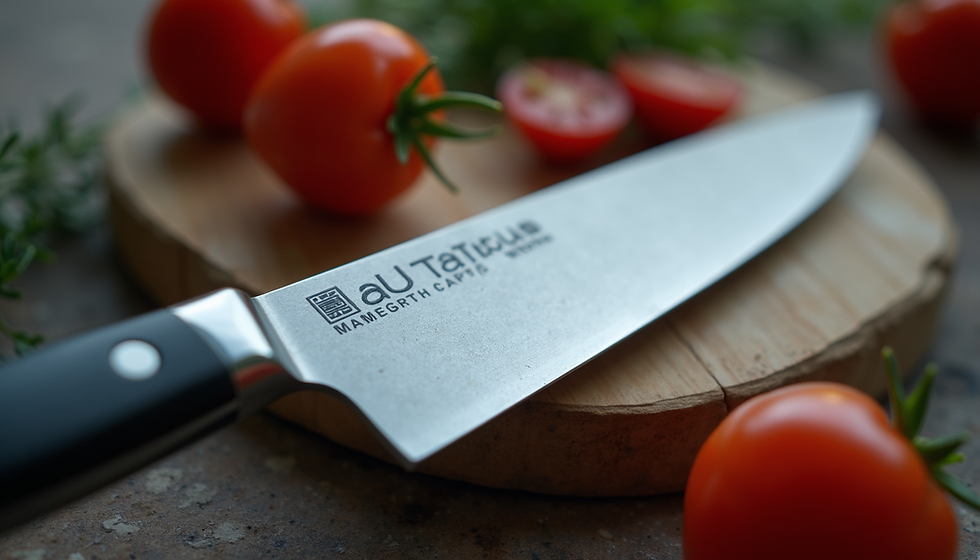
When you hold a chef knife, you expect more than just a sharp edge. You want durability, balance, and precision. Crafting such a tool requires skill, quality materials, and a refined process. I will walk you through the essential steps of the chef knife manufacturing process. This insight will help you understand what makes a chef knife truly exceptional.
Understanding the Chef Knife Manufacturing Process
The journey of a chef knife begins with selecting the right materials. High-quality steel is the foundation. The steel must have the right carbon content to ensure hardness and edge retention. Too soft, and the blade dulls quickly. Too hard, and it becomes brittle.
Next comes forging or stamping. Forging involves heating the steel and hammering it into shape. This method aligns the steel’s grain structure, making the blade stronger. Stamping cuts the blade shape from a steel sheet. Forged knives tend to be more durable, but stamped knives can be lighter and more affordable.
After shaping, the blade undergoes heat treatment. This step hardens the steel and improves toughness. The blade is heated to a specific temperature and then cooled rapidly. Proper heat treatment is critical. It balances hardness and flexibility, preventing the blade from chipping or breaking.
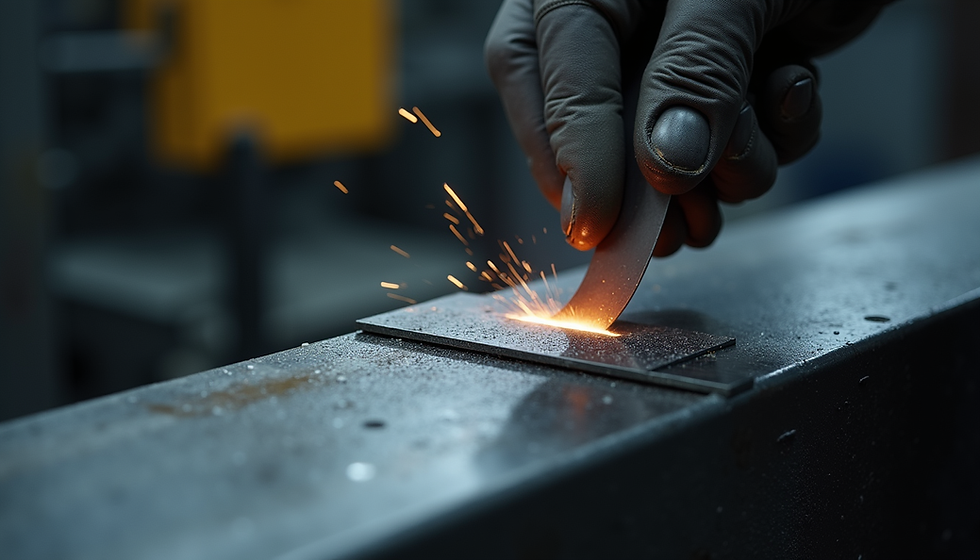
Grinding and sharpening follow. Skilled craftsmen grind the blade to create the edge geometry. The angle and sharpness affect cutting performance. A typical chef knife edge angle ranges from 15 to 20 degrees per side. Sharpening must be precise to ensure a razor-sharp edge that lasts.
Finally, the handle is attached. Handles come in various materials like wood, plastic, or composite. The handle design affects comfort and control. Ergonomics play a big role here. A well-designed handle reduces hand fatigue during long kitchen sessions.

Materials Matter: Choosing Steel and Handle Components
The choice of steel defines the knife’s performance. High-carbon stainless steel is popular for its corrosion resistance and edge retention. Some premium knives use powdered steel or Damascus steel for added strength and aesthetics.
Handle materials also impact durability and user experience. Wood handles offer a classic look and good grip but require maintenance. Synthetic handles like Pakkawood or Micarta combine durability with water resistance. Metal handles provide strength but can be slippery if not textured.
When selecting materials, manufacturers balance cost, performance, and appearance. The best knives use materials that complement each other, ensuring the knife performs well and lasts long.
Precision Craftsmanship in Every Step
Crafting a chef knife is an art and a science. Each step demands precision. For example, during grinding, the blade’s bevel must be symmetrical. Uneven bevels cause poor cutting and faster dulling.
Heat treatment requires exact temperature control. Even a slight deviation can ruin the blade’s properties. Experienced technicians monitor this process closely.
Assembly is another critical phase. The handle must be securely fastened to the blade tang. Loose handles are dangerous and reduce the knife’s lifespan. Quality control checks every knife for balance, sharpness, and finish.
This attention to detail is why you should trust a manufacturer with proven expertise. A company specializing in professional chef knife manufacturing understands these nuances and delivers consistent quality.

Enhancing Durability and Performance
Durability is not just about materials. It’s about design and finishing. A full tang blade, where the steel extends through the handle, offers better strength and balance. Bolsters add weight and protect the hand.
Surface finishing also matters. Polished blades resist rust and food sticking. Some knives feature non-stick coatings or special textures to improve cutting efficiency.
Maintenance plays a role too. A durable knife still needs proper care. Regular honing keeps the edge aligned. Occasional sharpening restores sharpness. Avoiding dishwasher use and drying the knife immediately prevents corrosion.
Why Choose a High-Quality Chef Knife?
A high-quality chef knife improves your cooking experience. It cuts smoothly, reducing effort and increasing safety. It lasts longer, saving you money over time. It feels balanced, making precise cuts easier.
Whether you are a professional chef or a home cook, investing in a well-crafted knife pays off. You get a tool that performs reliably under demanding conditions.
Partnering with Experts in Chef Knife Manufacturing
Finding a reliable manufacturing partner is key for brands and retailers. A partner with advanced facilities and engineering expertise can handle everything from custom blade forging to ergonomic handle design. This ensures your products meet global standards and customer expectations.
Chef Knife King Industry is a leader in this field. They offer comprehensive OEM, ODM, and OBM solutions. Their high-volume manufacturing capabilities and meticulous craftsmanship meet the rigorous demands of professional chefs and discerning home cooks worldwide.
By working with such experts, you streamline your supply chain and elevate your product value. This partnership helps you expand your market share globally.
Final Thoughts on Crafting Chef Knives
Crafting durable and high-quality chef knives is a complex process. It requires the right materials, precise manufacturing, and expert craftsmanship. Every detail matters, from steel selection to handle design.
When you understand this process, you appreciate the value of a well-made chef knife. It is more than a kitchen tool - it is an investment in your culinary skills and enjoyment.
Choose quality. Choose durability. Choose craftsmanship. Your kitchen deserves nothing less.

Comments