Crafting Exceptional Chef Knives: The Art of Chef Knife Craftsmanship
- Aug 4
- 4 min read
When you hold a chef knife, you are holding more than just a tool. You are holding the result of a precise, thoughtful process. Crafting exceptional chef knives requires skill, quality materials, and attention to detail. I want to take you through this fascinating journey. You will learn how the best knives come to life and what makes them stand out in a crowded market.
The Essence of Chef Knife Craftsmanship
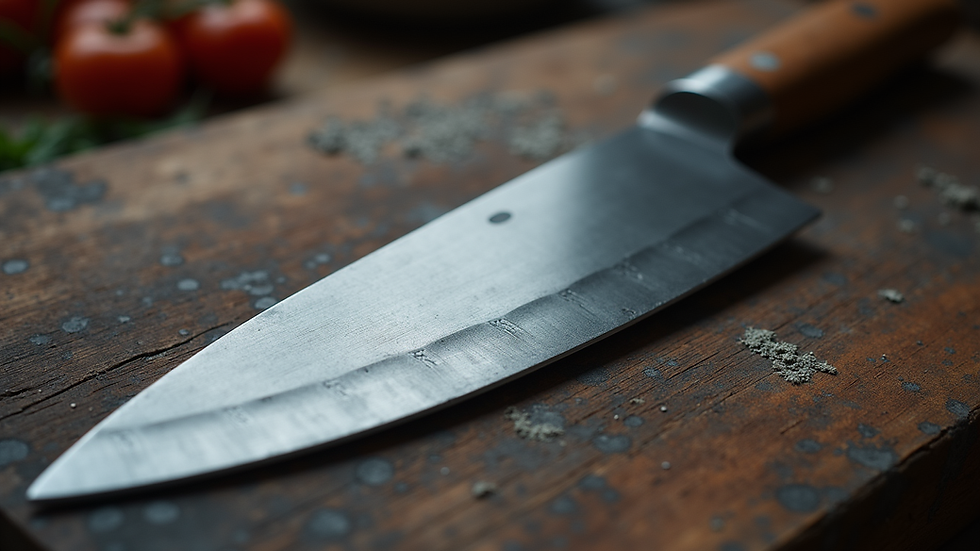
Chef knife craftsmanship is a blend of tradition and innovation. It starts with selecting the right materials. High-quality steel is the foundation. The steel must be durable, corrosion-resistant, and capable of holding a sharp edge. Common choices include high-carbon stainless steel and specialized alloys. These materials ensure the knife performs well in demanding kitchen environments.
Next comes the forging process. This is where the steel is heated and shaped. Forging aligns the steel’s grain structure, making the blade stronger and more resilient. Some knives are stamped from a steel sheet, but forged knives generally offer better balance and durability.
After shaping, the blade undergoes heat treatment. This step hardens the steel. Proper heat treatment is critical. It affects the blade’s hardness, flexibility, and edge retention. Skilled craftsmen control temperature and timing carefully to achieve the perfect balance.
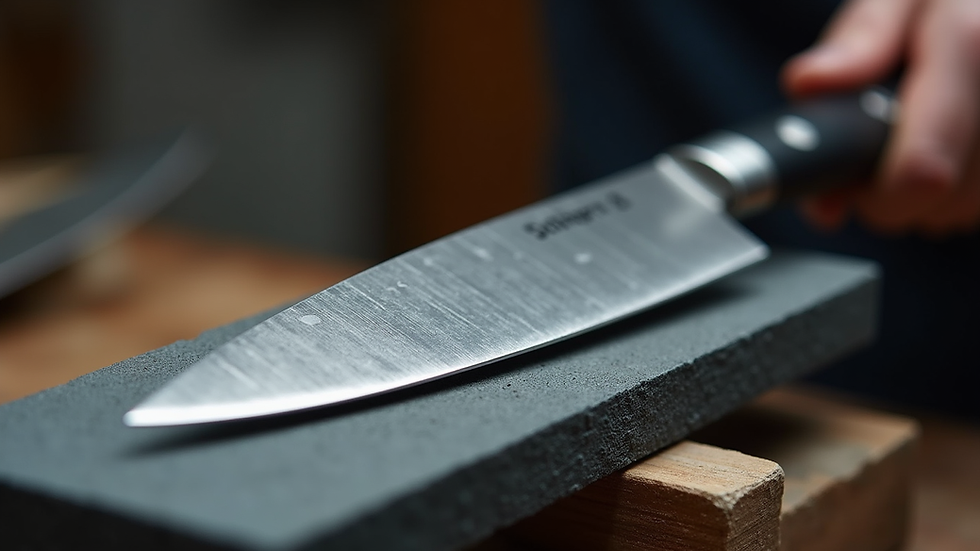
The blade is then ground and sharpened. This step defines the knife’s cutting edge. Different knives require different edge angles. For example, Japanese chef knives often have a sharper angle for precision cutting, while Western knives have a more robust edge for versatility.
Finally, the handle is crafted and attached. Handles come in various materials such as wood, composite, or synthetic polymers. The handle must be comfortable, durable, and provide a secure grip. Ergonomics play a big role here. A well-designed handle reduces fatigue and improves control.

Materials Matter: Choosing the Best for Your Chef Knife
The choice of materials defines the knife’s performance and longevity. Let’s break down the key components:
Blade Steel: High-carbon stainless steel is popular because it combines sharpness with rust resistance. Some premium knives use powdered steel or Damascus steel for enhanced strength and aesthetics.
Handle Materials: Wood offers a classic look and feel but requires maintenance. Synthetic materials like Micarta or G10 are durable and water-resistant. Some handles combine materials for both comfort and durability.
Bolster and Rivets: The bolster adds balance and protects your hand. Rivets secure the handle to the tang. Full tang knives, where the steel runs through the handle, offer superior strength.
Each material choice impacts the knife’s weight, balance, and feel. When you select a knife, consider how these factors align with your cutting style and kitchen tasks.
What knife do most professional chefs use?
Professional chefs often prefer knives that combine sharpness, durability, and comfort. The most common choice is a chef’s knife with a blade length between 8 and 10 inches. This size offers versatility for chopping, slicing, and dicing.
Many chefs favor Japanese-style knives for their precision and sharp edges. Others prefer Western-style knives for their robustness and ease of maintenance. The handle design is also crucial. Chefs look for ergonomic grips that reduce hand strain during long hours of prep work.
In professional kitchens, knives are tools of the trade. They must withstand heavy use and maintain performance. That is why many chefs invest in knives crafted through meticulous processes and premium materials.

The Role of Professional Chef Knife Manufacturing
Behind every exceptional chef knife is a sophisticated manufacturing process. Companies specializing in professional chef knife manufacturing combine craftsmanship with modern technology. This ensures consistent quality at scale.
Manufacturers start with raw materials sourced from trusted suppliers. They use advanced forging and heat treatment equipment to achieve precise blade properties. Computer-controlled grinding machines shape the blade edges with accuracy.
Quality control is rigorous. Each knife undergoes multiple inspections to check for defects, sharpness, and balance. Handles are tested for durability and comfort. Packaging is designed to protect the knife during shipping and storage.
This level of professionalism benefits brands, retailers, and end users alike. It guarantees that every knife meets high standards and performs reliably in kitchens worldwide.
How to Choose and Care for Your Chef Knife
Choosing the right chef knife is a personal decision. Here are some tips to guide you:
Consider the blade material - Look for steel that balances sharpness and corrosion resistance.
Check the handle comfort - Hold the knife to see if it fits your hand well.
Think about the knife’s weight and balance - A well-balanced knife feels natural and reduces fatigue.
Match the knife to your cooking style - Different knives suit different tasks.
Once you have your knife, proper care is essential:
Hand wash and dry immediately after use.
Avoid cutting on hard surfaces like glass or stone.
Regularly sharpen and hone the blade.
Store the knife safely in a block or sheath.
Following these steps will extend your knife’s life and keep it performing at its best.
Elevate Your Kitchen with Expertly Crafted Chef Knives
Crafting exceptional chef knives is a complex process. It requires the right materials, skilled craftsmanship, and precise manufacturing. When you invest in a well-made knife, you gain a reliable kitchen companion. It will help you prepare meals with confidence and ease.
Whether you are a professional chef or a passionate home cook, understanding the craftsmanship behind your knife enhances your appreciation. It also guides you in choosing the best tool for your needs.
Explore the world of chef knife craftsmanship. Discover how quality materials and expert techniques come together to create knives that stand the test of time. Your kitchen deserves nothing less.

Comments