Crafting Professional Chef Knives: The Chef Knife Production Process
- Aug 4
- 4 min read
When you hold a professional chef knife, you are holding the result of a precise and carefully controlled process. Every detail matters - from the steel used to the handle design. I want to take you through the chef knife production process. This will help you understand what makes a knife truly professional and why quality matters so much.
Understanding the Chef Knife Production Process
The journey of a professional chef knife begins with raw materials. High-quality steel is the foundation. Most professional knives use stainless steel or high-carbon steel. These materials offer durability, sharpness, and corrosion resistance. The steel is first cut into blanks, which are the rough shapes of the knife blades.
Next comes forging or stamping. Forging involves heating the steel and hammering it into shape. This method creates a denser, stronger blade. Stamping cuts the blade shape from a steel sheet. Both methods have their merits, but forging is often preferred for professional knives due to its strength and balance.
After shaping, the blade undergoes heat treatment. This step hardens the steel, improving edge retention and toughness. The blade is heated to a specific temperature and then cooled rapidly. Precise control during heat treatment is critical. It ensures the blade is hard enough to hold an edge but not so brittle that it breaks easily.
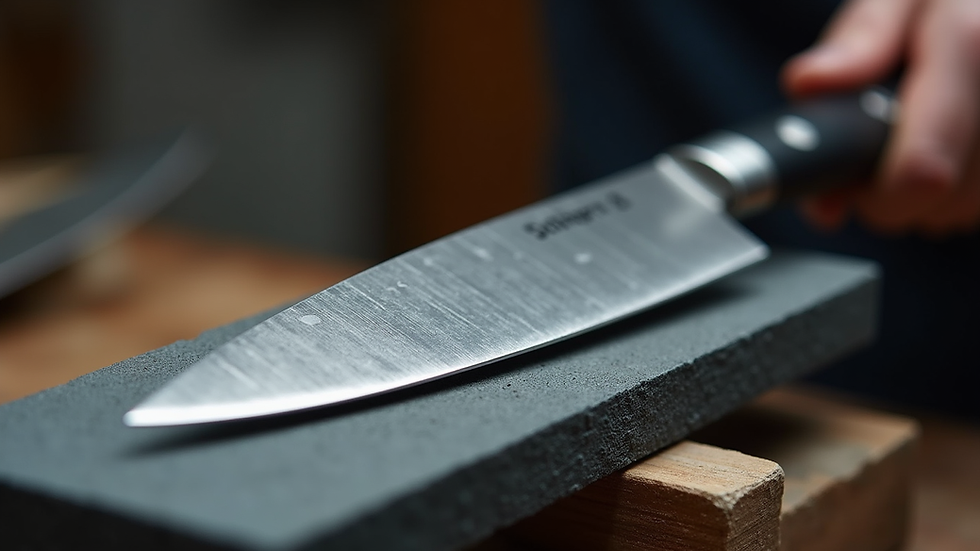
Grinding and sharpening follow heat treatment. The blade is ground to create the bevels - the angled surfaces that form the cutting edge. This step requires skill and precision. The angle and sharpness affect cutting performance and durability. Professional knives often have a sharper angle than home knives, allowing for finer cuts.
Finally, the handle is attached. Handles come in various materials like wood, plastic, or composite. The design must provide comfort, grip, and balance. The handle is fixed securely to the blade tang, the part of the blade that extends into the handle. This connection is vital for safety and control.
Throughout the process, quality control checks are performed. Each knife is inspected for defects, sharpness, and balance. This ensures that only knives meeting high standards reach the user.
What Knife Do Most Professional Chefs Use?
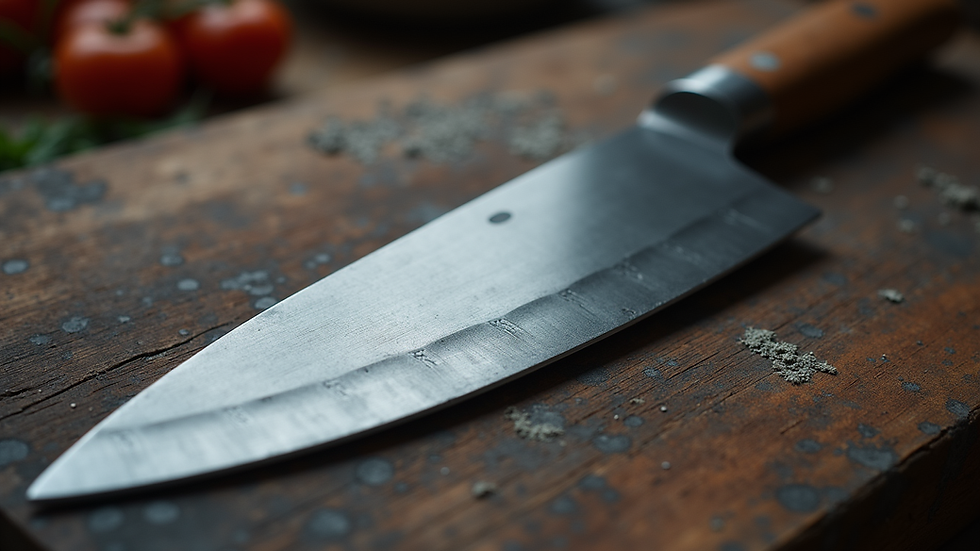
You might wonder what knife most professional chefs prefer. The answer is often a classic chef’s knife, usually 8 to 10 inches long. This knife is versatile and can handle chopping, slicing, dicing, and mincing.
Many chefs choose knives made from high-carbon stainless steel. This material balances sharpness and ease of maintenance. The blade’s edge angle is typically between 15 and 20 degrees per side, sharper than many home knives.
Handle preference varies. Some chefs like wooden handles for their feel and aesthetics. Others prefer synthetic handles for durability and hygiene. The key is balance and comfort, as chefs use their knives for hours daily.
Professional chefs also value knives with full tangs. This means the blade metal extends through the handle, providing strength and balance. Bolsters, the thick junction between blade and handle, add safety and control.
In short, the most popular professional chef knife is a well-balanced, sharp, and durable tool designed for long hours of precise work.

Materials and Craftsmanship: The Heart of Quality
The choice of materials defines the knife’s performance. High-carbon stainless steel is common because it resists rust and holds a sharp edge. Some premium knives use specialized steels like VG-10 or Damascus steel, known for their hardness and unique patterns.
Craftsmanship is equally important. Skilled artisans shape, heat treat, and sharpen each blade. The grinding process is often done by hand or with precision machines to ensure consistency. The handle is crafted to fit the blade perfectly and provide ergonomic comfort.
The balance between blade and handle affects how the knife feels in your hand. A well-balanced knife reduces fatigue and improves control. This is why professional chef knife manufacturing requires both advanced technology and expert hands.
The Role of Technology in Modern Knife Making
Technology has transformed knife production. Computer-controlled machines can cut steel blanks with extreme precision. Heat treatment ovens maintain exact temperatures for consistent blade hardness.
Laser measuring tools check blade thickness and angles. This ensures every knife meets strict specifications. However, technology does not replace craftsmanship. It supports artisans by providing tools for accuracy and repeatability.
In high-volume production, technology helps maintain quality while meeting demand. For example, automated grinding machines can produce sharp edges quickly. Yet, final sharpening and polishing often remain manual to achieve the perfect finish.
This blend of technology and craftsmanship is what sets professional chef knives apart from mass-market products.
How to Choose a Professional Chef Knife
Choosing the right professional chef knife depends on your needs and preferences. Here are some tips:
Blade Material: Look for high-carbon stainless steel for durability and sharpness.
Blade Length: 8 to 10 inches is ideal for versatility.
Handle Comfort: Try different materials and shapes to find what fits your hand.
Balance: The knife should feel balanced between blade and handle.
Edge Angle: Sharper angles (15-20 degrees) offer better cutting but may require more maintenance.
Weight: Choose a weight that feels comfortable for extended use.
Test knives if possible. Feel the grip, try cutting motions, and check the balance. A good knife should feel like an extension of your hand.
Partnering with Experts in Professional Chef Knife Manufacturing
When you need reliable, high-quality knives, working with experienced manufacturers is key. Companies specializing in professional chef knife manufacturing combine advanced production techniques with skilled craftsmanship.
They offer OEM and ODM services, allowing brands and retailers to customize knives to their specifications. From blade forging to handle design, these partners ensure every knife meets rigorous standards.
By choosing a trusted manufacturer, you gain access to innovation, quality control, and efficient production. This helps you deliver superior products to chefs and home cooks worldwide.
Elevate Your Kitchen with the Right Knife
A professional chef knife is more than a tool. It is a partner in your culinary journey. Understanding the chef knife production process helps you appreciate the skill and care behind each blade.
Invest in quality materials, craftsmanship, and design. Choose a knife that fits your style and needs. Whether you are a professional or a passionate home cook, the right knife will improve your efficiency and enjoyment in the kitchen.
Remember, a great knife lasts for years with proper care. Sharpen it regularly, clean it properly, and store it safely. This way, your investment in a professional chef knife will pay off every time you cook.


Comments