Discover the Art of Crafting Professional Chef Knives
Crafting chef knives is more than just making kitchen tools. It is an art that combines precision, skill, and passion. Every detail matters, from the choice of steel to the handle design. When you hold a well-crafted chef knife, you feel the balance and sharpness that make cooking a joy. In this post, I will take you through the fascinating process of creating professional chef knives. You will learn what makes these knives stand out and how they meet the high standards of chefs and home cooks alike.
The Foundation of Crafting Chef Knives: Materials and Steel
The journey of crafting chef knives begins with selecting the right materials. The blade’s steel is the heart of the knife. It determines sharpness, durability, and ease of maintenance. High-quality steel types like VG-10, AUS-8, and high-carbon stainless steel are popular choices. These steels offer excellent edge retention and corrosion resistance.
The handle material also plays a crucial role. Common options include pakkawood, micarta, and stabilized wood. These materials provide comfort, grip, and durability. The handle must fit well in your hand to reduce fatigue during long cooking sessions.
Choosing the right steel and handle materials is the first step in crafting chef knives that perform well and last long.
The Crafting Process: From Forging to Finishing
Crafting chef knives involves several precise steps. It starts with forging the blade. Skilled artisans heat the steel to high temperatures and hammer it into shape. This process aligns the steel’s grain structure, making the blade stronger and more resilient.
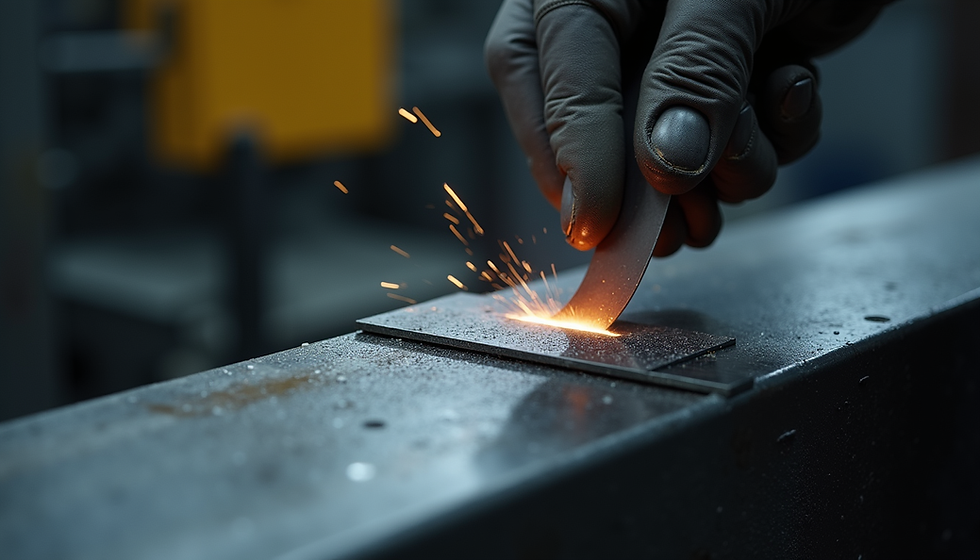
Next comes grinding and shaping. The blade is ground to create the edge angle, usually between 15 to 20 degrees per side. This angle affects the knife’s sharpness and durability. A sharper angle means a finer edge but less durability, while a wider angle offers more strength.
After shaping, the blade undergoes heat treatment. This step hardens the steel, locking in the edge and improving toughness. Proper heat treatment is critical. It ensures the knife holds its sharpness without becoming brittle.
Finally, the handle is attached and polished. The knife is balanced to ensure it feels natural in your hand. The finishing touches include sharpening and quality inspection. Every knife must meet strict standards before it reaches you.

The Importance of Design in Crafting Chef Knives
Design is not just about looks. It affects how the knife performs and feels. A well-designed chef knife balances weight, shape, and ergonomics. The blade length typically ranges from 6 to 12 inches, depending on the intended use.
The handle shape must fit comfortably in your hand. It should provide a secure grip, even when wet. Many professional knives feature a full tang design, where the steel extends through the handle. This adds strength and balance.
The blade’s profile also matters. A curved edge allows for rocking motions, ideal for chopping herbs. A straighter edge suits slicing and dicing. Some knives have a granton edge with small dimples to reduce food sticking.
Good design enhances your control and efficiency in the kitchen. It turns cooking into a smooth, enjoyable experience.
How Professional Chef Knife Manufacturing Meets High Standards
Creating professional chef knives requires advanced manufacturing techniques and strict quality control. Professional chef knife manufacturing combines traditional craftsmanship with modern technology. This blend ensures consistency and precision at scale.
Manufacturers use CNC machines for accurate blade shaping and handle fitting. Laser cutting and polishing improve edge sharpness and finish. Heat treatment ovens maintain exact temperatures for perfect blade hardness.
Quality control is rigorous. Each knife is tested for sharpness, balance, and durability. Defects are caught early to maintain high standards. This process guarantees that every knife performs reliably in demanding kitchens.
By partnering with expert manufacturers, brands and retailers can offer knives that meet the expectations of professional chefs and discerning home cooks worldwide.
Caring for Your Chef Knife: Tips for Longevity and Performance
Owning a professional chef knife is an investment. Proper care keeps it sharp and functional for years. Here are some practical tips:
Hand wash only: Avoid dishwashers. Use warm water and mild soap.
Dry immediately: Prevent rust by drying the knife right after washing.
Use a cutting board: Wood or plastic boards protect the blade better than glass or stone.
Sharpen regularly: Use a whetstone or professional sharpening service.
Store safely: Use a knife block, magnetic strip, or blade guard to avoid damage.
Following these steps preserves the knife’s edge and handle integrity. It also ensures safe and efficient use every time you cook.
Elevate Your Kitchen Experience with Expertly Crafted Chef Knives
Mastering the art of crafting chef knives means understanding every detail that goes into their making. From selecting premium materials to precise forging and thoughtful design, each step shapes a tool that enhances your cooking.
When you choose a professionally crafted chef knife, you invest in quality, performance, and durability. These knives are built to meet the rigorous demands of chefs and home cooks who value excellence.
Explore the world of professional chef knives and discover how craftsmanship transforms simple tools into culinary masterpieces. Your kitchen deserves nothing less than the best.


Comments