Discover the Art of Professional Chef Knife Craftsmanship
When you hold a finely crafted chef knife, you are holding more than just a tool. You are holding decades of tradition, precision, and passion. The art of professional chef knife craftsmanship is a blend of science and skill. It transforms raw materials into instruments that chefs rely on every day. Whether you are a professional chef or a home cook, understanding this craft helps you appreciate the value behind every cut.
The Essence of Chef Knife Craftsmanship
Chef knife craftsmanship is about more than just shaping steel. It involves selecting the right materials, mastering forging techniques, and perfecting the blade’s geometry. Each step affects the knife’s performance, durability, and comfort.
The process begins with choosing high-quality steel. Carbon steel offers excellent sharpness and edge retention but requires more care. Stainless steel resists rust and corrosion, making it popular for busy kitchens. Some knives combine both, using layered or Damascus steel for strength and beauty.
Next comes forging or stamping. Forging heats the steel and shapes it with hammer strikes, creating a dense, strong blade. Stamping cuts the blade from a steel sheet, which is faster and more cost-effective but may lack the same durability.
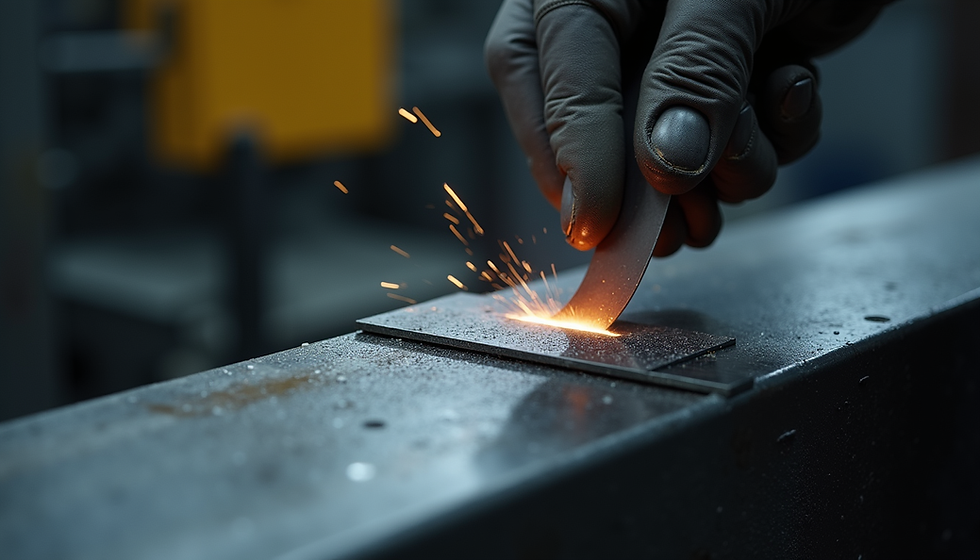
After shaping, the blade is heat-treated. This step hardens the steel, balancing toughness and flexibility. Then, skilled artisans grind the blade to create the perfect edge angle. A sharper edge means cleaner cuts and less effort.
Finally, the handle is crafted. It must fit comfortably in your hand and provide a secure grip. Materials range from traditional wood to modern composites. The handle’s design affects balance and control, crucial for long hours in the kitchen.

Exploring the Details of Chef Knife Craftsmanship
Every detail in a chef knife’s design matters. The blade length, thickness, and curvature influence how it performs different tasks. A longer blade is ideal for slicing large cuts of meat, while a shorter blade offers precision for delicate work.
The blade’s edge angle is critical. Professional knives often have a sharper angle, around 15 degrees per side, compared to 20 degrees for typical kitchen knives. This sharper edge cuts more efficiently but requires careful maintenance.
Balance is another key factor. A well-balanced knife feels natural in your hand. The weight distribution between blade and handle reduces fatigue and improves control. This balance is achieved through precise engineering and material selection.
The handle shape and texture also contribute to safety and comfort. Ergonomic designs reduce strain and prevent slipping, even when your hands are wet. Some handles feature rivets or seamless construction for durability.
In professional settings, knives must withstand heavy use and frequent sharpening. This demands superior craftsmanship and quality control. That is why many global kitchenware brands and retailers trust manufacturers who specialize in professional chef knife manufacturing.
What Knife Do Most Professional Chefs Use?
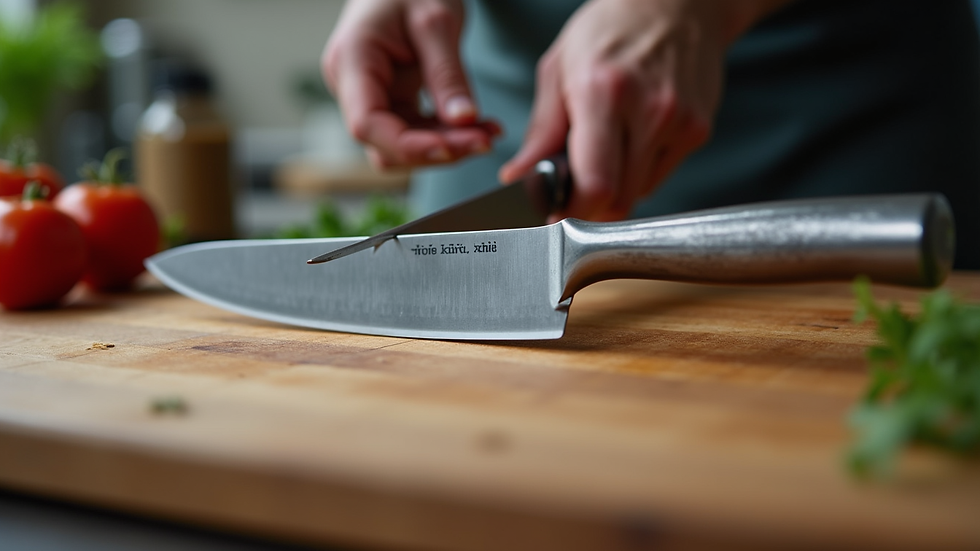
Most professional chefs prefer knives that combine sharpness, durability, and comfort. The classic chef’s knife, typically 8 to 10 inches long, is the most versatile. It handles chopping, slicing, dicing, and mincing with ease.
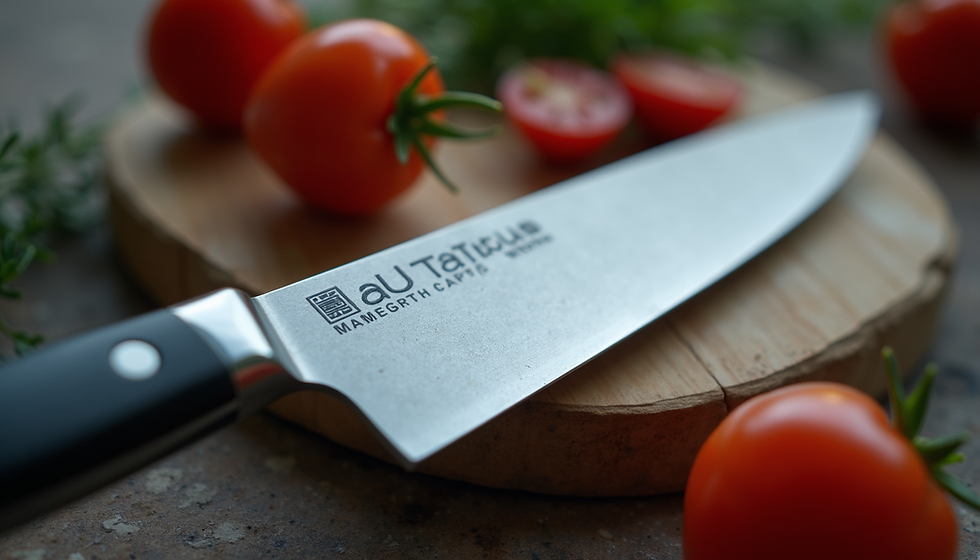
Many chefs choose forged knives for their strength and edge retention. Forged knives often have a bolster - the thick junction between blade and handle - which adds balance and protects fingers.
The steel type varies, but high-carbon stainless steel is a favorite. It offers a good balance of sharpness and corrosion resistance. Some chefs also use Japanese-style knives, like the Santoku or Gyuto, known for their thin, sharp blades and precise cuts.
Handle preference depends on personal comfort. Some chefs prefer wooden handles for their warmth and grip, while others opt for synthetic materials that resist moisture and wear.
Ultimately, the best knife is one that feels like an extension of your hand. It should make your work easier and more enjoyable.
How to Care for Your Professional Chef Knife
Proper care extends the life of your chef knife and maintains its performance. Here are some practical tips:
Hand wash only - Avoid dishwashers. Use warm water and mild detergent. Dry immediately to prevent rust.
Use a cutting board - Wood or plastic boards protect the blade. Avoid glass or stone surfaces.
Sharpen regularly - Use a whetstone or professional sharpening service. Honing rods help maintain the edge between sharpenings.
Store safely - Use a knife block, magnetic strip, or blade guard to protect the edge and prevent accidents.
Avoid hard materials - Do not cut bones or frozen foods with your chef knife to prevent chipping.
By following these steps, you preserve the craftsmanship and ensure your knife performs at its best.
The Future of Chef Knife Craftsmanship
Innovation continues to shape the world of chef knives. Advances in metallurgy and manufacturing techniques allow for stronger, sharper, and lighter blades. Ergonomic designs evolve to reduce strain and improve safety.
Sustainability is also gaining attention. Some manufacturers focus on eco-friendly materials and processes to reduce environmental impact.
As a global leader in professional chef knife manufacturing, we embrace these trends. We combine traditional craftsmanship with modern technology to deliver knives that meet the highest standards.
Whether you are outfitting a professional kitchen or upgrading your home collection, understanding the art of chef knife craftsmanship helps you make informed choices. A well-crafted knife is an investment in your culinary skills and enjoyment.
Elevate Your Culinary Experience with Expert Craftsmanship
Choosing a professional chef knife is more than a purchase - it is a commitment to quality and performance. When you select a knife crafted with care and expertise, you gain a reliable partner in the kitchen.
Explore the world of chef knife craftsmanship. Feel the balance, appreciate the sharpness, and experience the difference. Your cooking will thank you.

Comments