Exploring the Art of Chef Knife Craftsmanship
When you hold a chef knife, you are holding more than just a tool. You are holding a piece of art, a product of skill, precision, and tradition. The art of chef knife craftsmanship is a fascinating journey that combines metallurgy, design, and functionality. I want to take you through this journey, sharing insights into how these essential kitchen tools are made and what makes them stand out.
The Essence of Chef Knife Craftsmanship
Chef knife craftsmanship is about more than just shaping metal. It is about creating a tool that performs flawlessly in the hands of a chef. Every step in the manufacturing process matters. From selecting the right steel to the final sharpening, each detail affects the knife’s balance, sharpness, and durability.
The process begins with choosing the steel. High-carbon stainless steel is often preferred for its ability to hold a sharp edge and resist corrosion. The steel is then forged or stamped into shape. Forging involves heating the steel and hammering it into form, which aligns the metal’s grain structure and strengthens the blade. Stamping cuts the blade shape from a sheet of steel and is faster but can result in a less durable knife.
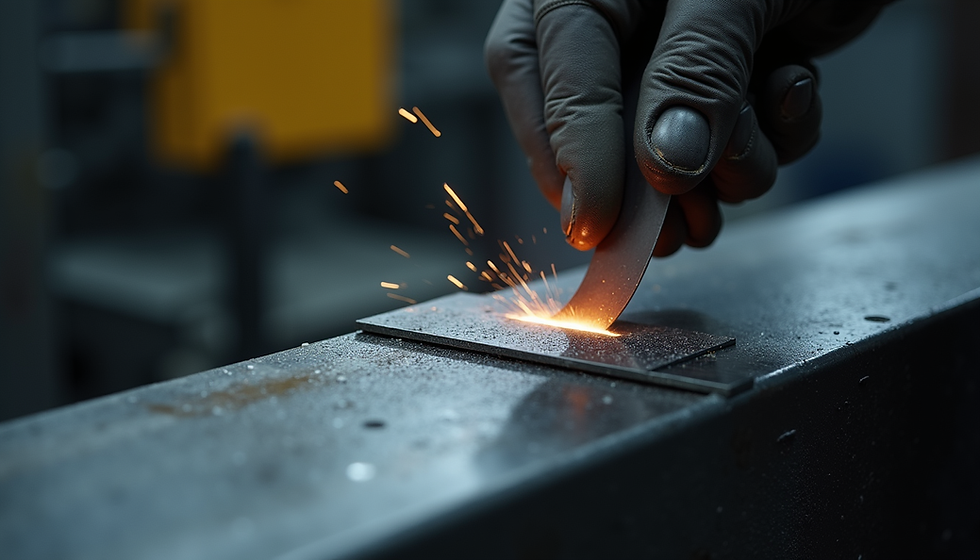
After shaping, the blade undergoes heat treatment. This step hardens the steel, making it tough yet flexible. The blade is then ground to create the edge. This grinding process is critical. It determines the blade’s sharpness and cutting angle. A well-ground edge slices through food with ease and stays sharp longer.
Handles are equally important. They must provide comfort and control. Materials range from traditional wood to modern composites. The handle design affects the knife’s balance and how it feels during use. Ergonomics play a key role here, ensuring the knife reduces fatigue during long hours in the kitchen.
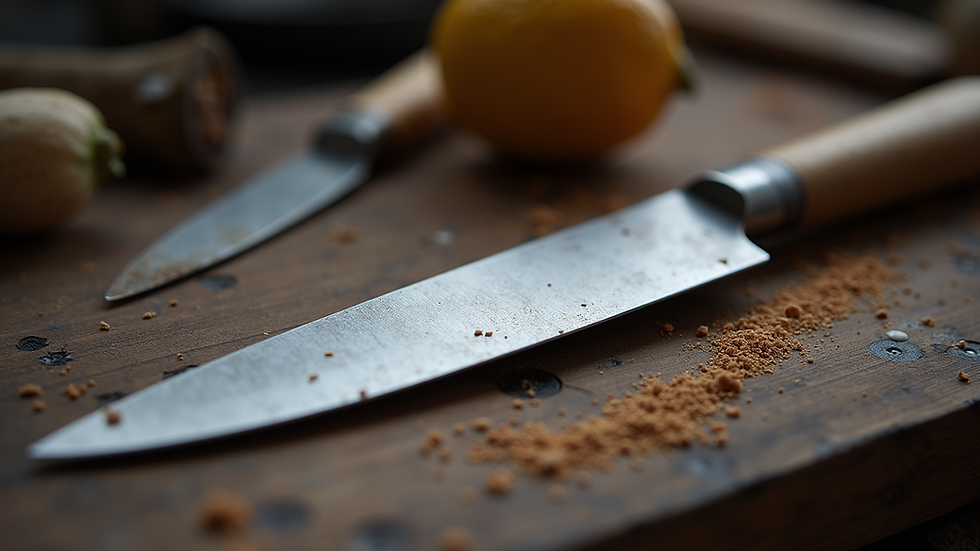
The Manufacturing Process Behind Professional Chef Knives
Understanding the manufacturing process helps you appreciate the skill involved. The journey from raw steel to a finished knife involves several stages:
Steel Selection - Choosing the right alloy for strength and corrosion resistance.
Forging or Stamping - Forming the blade shape.
Heat Treatment - Hardening the blade to the correct specifications.
Grinding and Sharpening - Creating the cutting edge.
Handle Attachment - Securing the handle for comfort and durability.
Polishing and Finishing - Enhancing appearance and preventing rust.
Quality Control - Inspecting every knife to meet strict standards.
Each stage requires precision and expertise. For example, during heat treatment, the blade must be heated to a specific temperature and cooled at a controlled rate. Too fast or too slow can ruin the steel’s properties. Similarly, grinding angles vary depending on the knife’s intended use. A chef’s knife typically has a 15 to 20-degree edge angle for versatility.
The handle attachment is another critical step. The handle must be firmly fixed to the tang (the blade’s extension inside the handle). This ensures the knife feels solid and safe to use. Many professional knives use full tang construction for maximum strength.
This detailed process is why you should always seek knives from manufacturers who specialize in professional chef knife manufacturing. Their expertise guarantees a product that meets the highest standards.
What knife do most professional chefs use?
Most professional chefs prefer a chef’s knife between 8 and 10 inches long. This size offers the best balance between control and cutting surface. The blade is versatile enough for chopping, slicing, dicing, and mincing.
The steel quality is crucial. High-carbon stainless steel is the top choice because it combines sharpness retention with rust resistance. Some chefs prefer Japanese knives made from harder steel for a sharper edge, while others favor German knives for their durability and ease of sharpening.
Handle comfort is also a deciding factor. Chefs spend hours using their knives, so a comfortable grip reduces hand fatigue. Many professionals choose knives with ergonomic handles made from durable materials like pakkawood or composite resin.
Blade shape matters too. A curved edge allows for a rocking motion, which is efficient for chopping herbs and vegetables. A straight edge is better for slicing meat. Some chefs carry multiple knives to cover different tasks, but the chef’s knife remains the most essential.

Innovations in Chef Knife Craftsmanship
The art of chef knife manufacturing is evolving. New technologies and materials are pushing the boundaries of what a knife can do. For example, some manufacturers use powder metallurgy to create steel with a finer grain structure. This results in blades that are harder and more wear-resistant.
Handle materials have also advanced. Modern composites offer better grip, durability, and hygiene compared to traditional wood. Some knives feature antimicrobial coatings to reduce bacteria buildup.
Ergonomics is another area of innovation. Designers use 3D modeling and testing to create handles that fit the hand perfectly. This reduces strain and improves precision.
Manufacturers also focus on sustainability. Using recycled steel and eco-friendly handle materials is becoming more common. This aligns with the growing demand for responsible production practices.
These innovations ensure that chef knives continue to improve in performance and user experience. They also reflect the commitment of companies like Chef Knife King Industry to deliver cutting-edge products.
How to Choose the Right Chef Knife for You
Choosing the right chef knife can be overwhelming. Here are some practical tips to help you make the best choice:
Consider the blade length: 8 to 10 inches is ideal for most tasks.
Check the steel type: High-carbon stainless steel offers a good balance of sharpness and durability.
Test the handle: Look for comfort and grip. If possible, hold the knife before buying.
Look for full tang construction: This ensures strength and balance.
Think about maintenance: Some knives require more care, like hand washing and regular sharpening.
Set a budget: Quality knives are an investment but can last a lifetime with proper care.
Remember, a good chef knife is an extension of your hand. It should feel natural and comfortable. Don’t rush your decision. Take time to research and try different options.
The Future of Chef Knife Craftsmanship
The future of chef knife craftsmanship is bright. As technology advances, we will see even more precise manufacturing techniques and innovative materials. Customization will become more accessible, allowing chefs and home cooks to tailor knives to their exact preferences.
Sustainability will also play a bigger role. Manufacturers will continue to explore eco-friendly materials and processes. This benefits both the environment and consumers who value responsible products.
At the same time, the core values of craftsmanship will remain. Attention to detail, quality materials, and skilled workmanship will always define a great chef knife.
By understanding the art and science behind these tools, you can appreciate their value and choose the best knife for your kitchen.
Exploring the art of chef knife craftsmanship reveals a world of precision and passion. Whether you are a professional chef or a home cook, investing in a well-made knife enhances your cooking experience. The blend of tradition and innovation in professional chef knife manufacturing ensures that these tools meet the highest standards. Take your time, choose wisely, and enjoy the art of cooking with a knife crafted to perfection.

Comments