Mastering Premium Chef Knife Production
- Aug 4
- 4 min read
Crafting a premium chef knife is both an art and a science. It demands precision, skill, and a deep understanding of materials and design. When you master this process, you create tools that chefs rely on daily. These knives are not just utensils; they are extensions of a chef’s hand. In this post, I will walk you through the essentials of premium chef knife production. You will learn about the materials, techniques, and design principles that define excellence in this field.
The Essentials of Premium Chef Knife Production
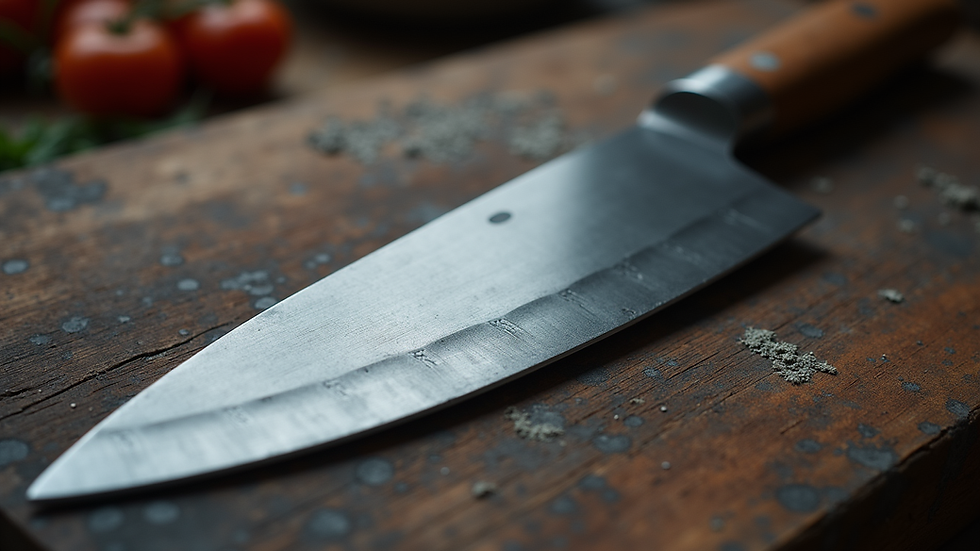
Premium chef knife production starts with selecting the right materials. The blade steel must be durable, hold a sharp edge, and resist corrosion. High-carbon stainless steel is a popular choice. It balances hardness and flexibility. The handle material also matters. It should provide a comfortable grip and withstand moisture and heat.
Next comes the forging or stamping process. Forging involves heating the steel and hammering it into shape. This method produces a stronger blade with better grain structure. Stamping cuts the blade from a steel sheet. It is faster and more cost-effective but may lack the strength of forged knives.
After shaping, the blade undergoes heat treatment. This step hardens the steel and improves edge retention. Precise temperature control is crucial here. Overheating can make the blade brittle, while underheating reduces durability.
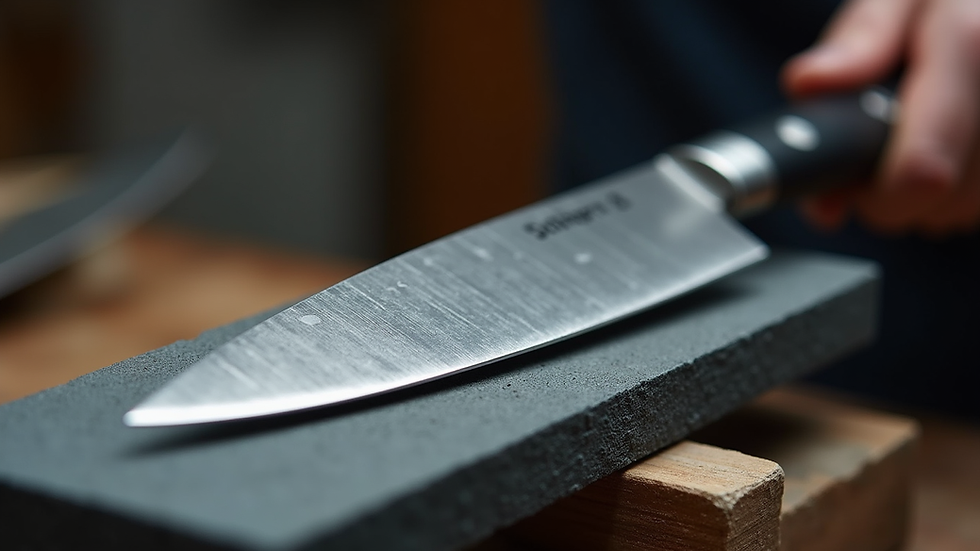
Finally, the blade is sharpened and polished. A sharp edge is essential for professional use. Polishing enhances the blade’s appearance and reduces friction during cutting.

What knife do most professional chefs use?
Professional chefs often prefer knives that combine versatility, balance, and durability. The classic chef’s knife, usually 8 to 10 inches long, is the most common choice. It handles a wide range of tasks, from chopping vegetables to slicing meat.
Many chefs favor knives with a full tang. This means the blade extends through the handle, providing better balance and strength. The handle shape is also important. Ergonomic designs reduce hand fatigue during long hours in the kitchen.
Blade material varies, but high-carbon stainless steel is a favorite. It offers a sharp edge and resists rust. Some chefs prefer Japanese-style knives made from harder steel. These blades hold an edge longer but require more care.
Ultimately, the best knife depends on personal preference and cooking style. However, investing in a well-made, premium chef knife is a common priority among professionals.

Designing for Performance and Comfort
Design plays a critical role in premium chef knife production. A well-designed knife improves efficiency and safety. When you design a knife, consider the blade shape, weight distribution, and handle ergonomics.
The blade shape affects cutting style. A curved edge suits rocking motions, while a straighter edge is better for chopping. The blade thickness influences durability and precision. Thinner blades slice cleanly but may chip easily. Thicker blades are tougher but less nimble.
Weight distribution impacts control. A balanced knife feels natural in your hand. It reduces strain and improves accuracy. You can achieve this by adjusting the blade thickness and handle weight.
Handle design is equally important. Materials like pakkawood, micarta, and high-quality polymers offer durability and grip. The handle shape should fit comfortably in your hand. Rounded edges and finger grooves enhance grip security.
Testing prototypes is essential. You want to ensure the knife performs well under real kitchen conditions. Feedback from professional chefs can guide refinements.
The Role of Technology in Knife Manufacturing
Technology has transformed premium chef knife production. Modern equipment allows for greater precision and consistency. CNC machines cut and shape blades with exact measurements. Laser engraving adds branding and decorative details.
Heat treatment ovens with precise temperature controls ensure uniform blade hardness. Automated sharpening machines produce consistent edges. These technologies reduce human error and increase production speed.
However, craftsmanship remains vital. Skilled artisans inspect each knife for flaws. They perform final sharpening and polishing by hand. This blend of technology and craftsmanship results in superior knives.
Using advanced materials like powder metallurgy steel also enhances performance. These steels have fine grain structures and high wear resistance. They are more expensive but deliver exceptional edge retention.
Partnering with Experts in Professional Chef Knife Manufacturing
If you want to produce premium chef knives at scale, partnering with experienced manufacturers is key. A reliable partner offers comprehensive OEM, ODM, and OBM services. They handle everything from custom blade forging to ergonomic handle design.
Look for manufacturers with state-of-the-art facilities and engineering expertise. They should support high-volume production without compromising quality. Transparent communication and quality control processes are essential.
By collaborating with experts, you can streamline your supply chain and focus on brand development. This approach helps you deliver top-tier kitchen tools that meet the rigorous demands of chefs and discerning home cooks worldwide.
For those interested in elevating their product line, exploring professional chef knife manufacturing options with trusted partners can be a game-changer.
Elevate Your Culinary Tools with Mastery
Mastering premium chef knife production is a journey. It requires attention to detail, quality materials, and skilled craftsmanship. Whether you are a manufacturer or a brand looking to expand, understanding these fundamentals is crucial.
Remember, a great chef knife is more than just a blade. It is a tool designed to enhance performance, comfort, and durability. By focusing on design, materials, and technology, you can create knives that chefs trust and value.
Invest in quality, embrace innovation, and never compromise on craftsmanship. This is how you master the art of premium chef knife production.

Comments