Mastering Professional Chef Knife Crafting Process
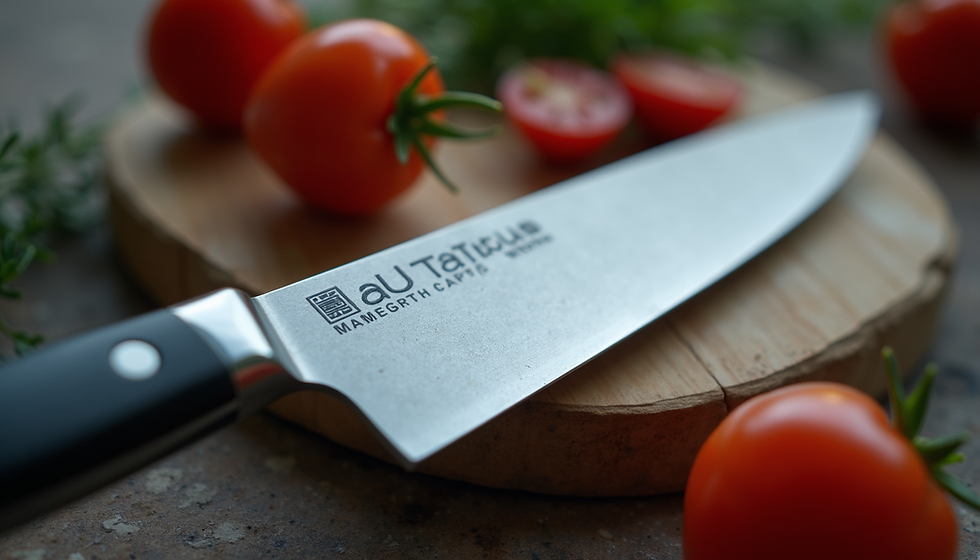
Creating a professional chef knife is an art and a science. It demands precision, skill, and a deep understanding of materials and design. When you master the chef knife crafting process, you produce tools that chefs and home cooks rely on daily. These knives must be sharp, durable, and comfortable to use. They must perform flawlessly in busy kitchens and stand the test of time.
In this post, I will walk you through the essential steps of crafting a professional chef knife. You will learn about the materials, techniques, and quality controls that define excellence in knife making. Whether you are a manufacturer, retailer, or culinary professional, this guide will help you appreciate what goes into a top-tier kitchen knife.
Understanding the Chef Knife Crafting Process
The journey begins with selecting the right materials. The blade steel is the heart of the knife. High-carbon stainless steel is a popular choice because it balances sharpness, corrosion resistance, and ease of maintenance. Some manufacturers use specialized alloys to enhance toughness and edge retention.
Next comes the blade shaping. This step involves cutting the steel into the desired profile. Precision is key here. The blade’s geometry affects cutting performance and balance. You want a blade that slices smoothly and feels natural in your hand.
Heat treatment follows shaping. This process hardens the steel and improves its durability. The blade is heated to a specific temperature and then cooled rapidly. Proper heat treatment ensures the knife holds its edge longer and resists chipping.
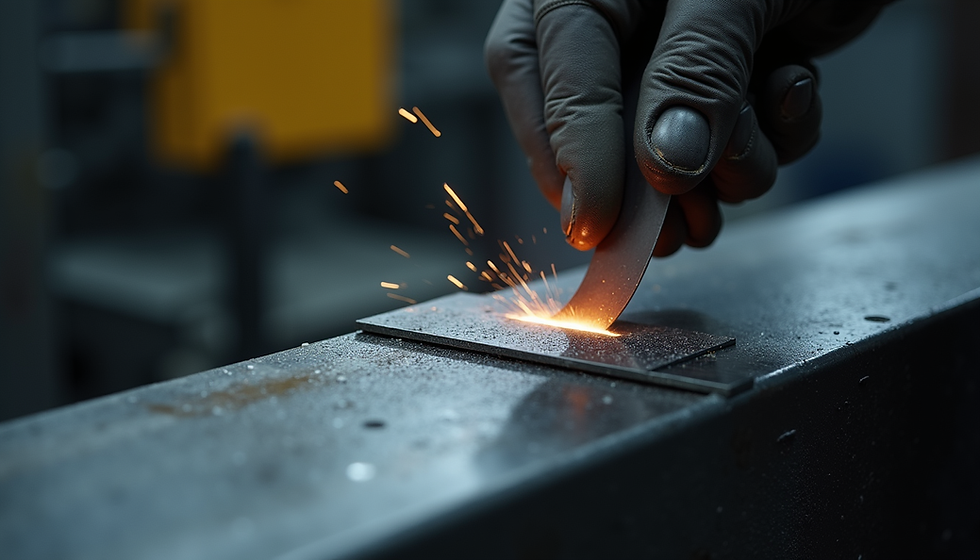
After heat treatment, the blade undergoes grinding and polishing. Grinding refines the blade’s edge angle and sharpness. Polishing removes surface imperfections and enhances the knife’s appearance. This stage requires skilled craftsmanship to achieve a razor-sharp edge without compromising strength.
Finally, the handle is attached. Handles come in various materials such as wood, composite, or synthetic polymers. The handle must be ergonomic and securely fastened to the blade tang. A well-designed handle provides comfort and control during use.

Key Materials and Their Impact on Knife Quality
Choosing the right materials is fundamental. The blade steel determines how well the knife performs and lasts. Here are some common steel types used in professional chef knives:
High-carbon stainless steel: Offers excellent sharpness and corrosion resistance. Easy to maintain.
VG-10 steel: A Japanese steel known for its fine grain and edge retention.
Damascus steel: Made by layering different steels, it combines beauty with strength.
Tool steel: Extremely hard and durable but may require more maintenance.
The handle material also affects the knife’s usability. Wood handles provide a classic look and good grip but need care to avoid damage from moisture. Synthetic handles are durable and often textured for slip resistance. Composite materials can offer the best of both worlds.
When you understand these materials, you can make informed decisions that enhance the knife’s performance and appeal.
Precision in Blade Forging and Heat Treatment
Forging is a traditional method where the blade is shaped by hammering heated steel. This process aligns the steel’s grain structure, improving strength and flexibility. Forged knives often have a thicker spine and a full tang, which means the blade extends through the handle for better balance.
Alternatively, some knives are stamped from steel sheets. Stamped knives are lighter and less expensive but may lack the durability of forged blades.
Heat treatment is critical. The blade is heated to a precise temperature, held there, and then quenched in oil or water. This hardens the steel. After quenching, the blade is tempered by reheating to a lower temperature to reduce brittleness.
Proper heat treatment results in a blade that is hard enough to hold a sharp edge but tough enough to resist breaking. It is a delicate balance that requires expertise and quality control.

Sharpening and Finishing Techniques
Sharpening is where the knife gains its cutting power. The blade edge is ground to a specific angle, usually between 15 and 20 degrees per side. A smaller angle means a sharper edge but less durability. Professional chef knives often strike a balance to suit various kitchen tasks.
After sharpening, the blade is polished to remove burrs and refine the edge. Polishing also enhances corrosion resistance and aesthetics. Some knives receive a satin finish, which reduces glare and hides scratches.
Handle finishing is equally important. The handle is sanded smooth and sealed to protect against moisture and wear. Ergonomic shaping ensures the knife feels comfortable during extended use.
Regular quality checks during sharpening and finishing guarantee consistency and performance.
Integrating Innovation with Tradition
While traditional methods remain vital, innovation drives the industry forward. Modern manufacturing incorporates CNC machines for precise blade shaping and laser cutting for intricate designs. Advanced coatings improve corrosion resistance and reduce friction.
Ergonomic research influences handle design, focusing on reducing hand fatigue and improving grip security. Some manufacturers experiment with new materials like carbon fiber or antimicrobial composites.
Despite these advances, the core principles of knife making remain unchanged. Attention to detail, material quality, and skilled craftsmanship are the foundation of every great chef knife.
Elevating Your Kitchen Tools with Expert Craftsmanship
Mastering the chef knife crafting process is about more than just making a blade. It is about creating a tool that chefs trust and rely on. When you invest in quality materials, precise forging, expert heat treatment, and meticulous finishing, you produce knives that perform at the highest level.
If you want to partner with a leader in professional chef knife manufacturing, look for a manufacturer that combines tradition with innovation. Such a partner will help you deliver products that meet the rigorous demands of culinary professionals and discerning home cooks alike.
By understanding these processes, you can appreciate the craftsmanship behind every cut and slice. This knowledge empowers you to choose or create knives that elevate your cooking experience.
Mastering the art of chef knife crafting is a journey. It requires dedication, skill, and a passion for quality. Whether you are producing knives or selecting them for your kitchen, knowing the process helps you make better decisions. Embrace the blend of tradition and technology. The result is a professional chef knife that stands out in performance, durability, and design.

Comments