Mastering the Craft of Chef Knife Manufacturing: A Deep Dive into the Chef Knife Crafting Process
When you hold a chef knife, you are holding more than just a tool. You are holding years of expertise, precision, and passion forged into steel. The art of making a chef knife is a blend of science and craftsmanship. It demands attention to detail, quality materials, and a deep understanding of what chefs need in the kitchen. Today, I will take you through the chef knife crafting process, sharing insights that reveal why some knives stand out and how they are made to perform at the highest level.
Understanding the Chef Knife Crafting Process
The chef knife crafting process is a meticulous journey from raw materials to a finished product that excels in performance and durability. It starts with selecting the right steel. High-carbon stainless steel is often preferred for its balance of sharpness, edge retention, and corrosion resistance. The steel is then cut into blanks, which are the rough shapes of the knife blades.
Next comes forging or stamping. Forging involves heating the steel and hammering it into shape, which aligns the metal’s grain structure and enhances strength. Stamping cuts the blade shape from a steel sheet and is faster but less labor-intensive. Both methods have their place, but forging is often favored for premium knives.
After shaping, the blade undergoes heat treatment. This step hardens the steel, improving its ability to hold a sharp edge. The blade is heated to a specific temperature and then cooled rapidly. Tempering follows to reduce brittleness, ensuring the blade is tough yet flexible.
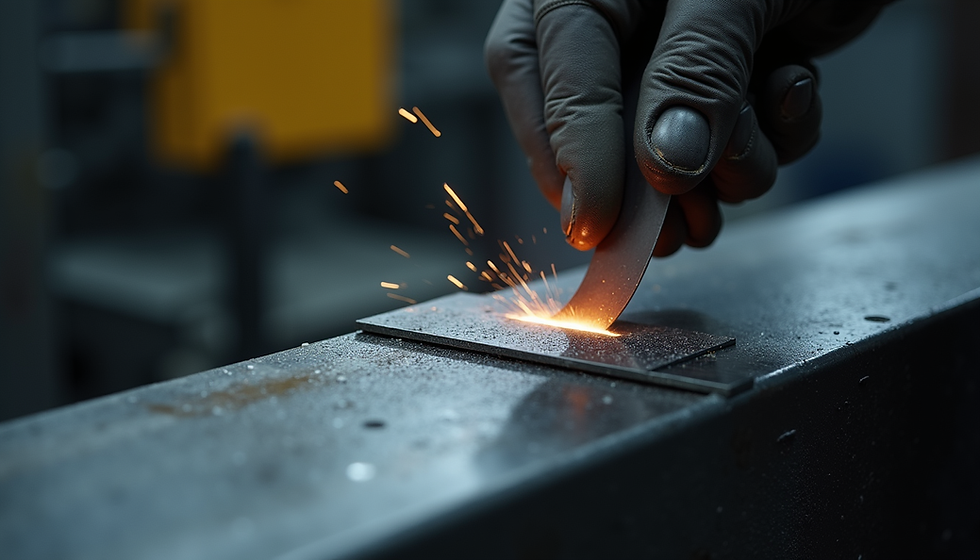
Grinding and polishing come next. Skilled artisans grind the blade to create the edge geometry. The angle and sharpness are critical here. A typical chef knife edge angle ranges from 15 to 20 degrees per side. Polishing removes imperfections and gives the blade a smooth finish.
Finally, the handle is attached. Handles can be made from wood, composite materials, or synthetic polymers. The design focuses on ergonomics, grip, and balance. A well-crafted handle complements the blade, making the knife comfortable and safe to use.
Throughout this process, quality control is paramount. Each knife is inspected for sharpness, balance, and finish. This ensures that every piece meets the high standards expected by professional chefs and discerning home cooks.

What knife do most professional chefs use?
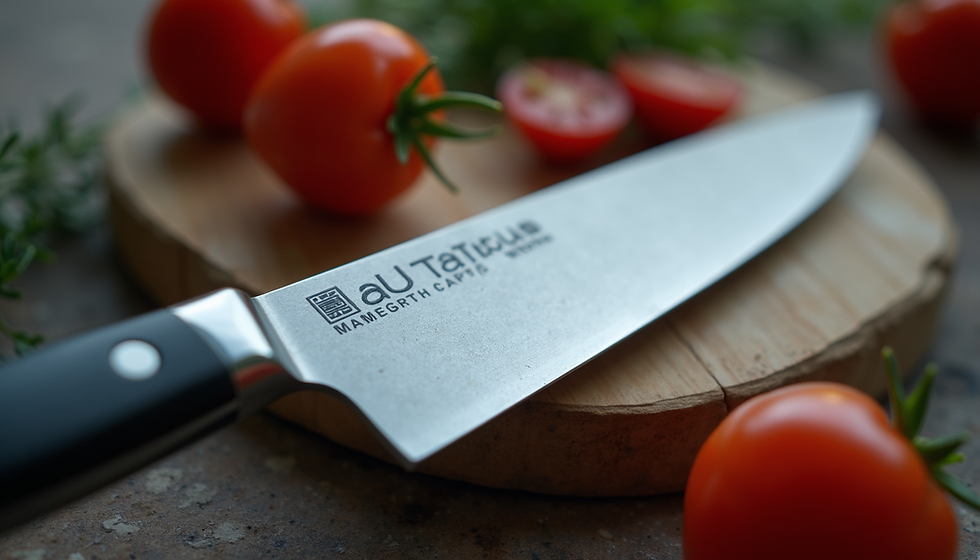
Professional chefs often choose knives that combine durability, sharpness, and comfort. The classic chef’s knife, usually 8 to 10 inches long, is the most common choice. It is versatile enough for chopping, slicing, dicing, and mincing.
Many chefs prefer knives made from high-carbon stainless steel because they maintain sharpness longer and resist rust. The blade’s weight and balance are also crucial. A well-balanced knife reduces fatigue during long hours of prep work.
Handle material and shape matter too. Chefs often select knives with handles that fit their grip style, whether it’s a Western-style handle or a Japanese-style wa-handle. The choice depends on personal preference and the type of cuisine.
In professional kitchens, durability is key. Knives must withstand frequent sharpening and heavy use. That’s why many chefs invest in knives from manufacturers known for their craftsmanship and quality control.
The Role of Materials in Chef Knife Crafting
Materials define the knife’s performance and longevity. The blade steel is the heart of the knife. High-carbon stainless steel blends carbon’s hardness with stainless steel’s corrosion resistance. This combination allows the blade to stay sharp longer and resist stains.
Some knives use powdered steel or specialized alloys to enhance edge retention and toughness. These steels are more expensive but offer superior performance.
Handle materials also impact the knife’s usability. Traditional hardwoods like pakkawood or rosewood provide a natural feel and aesthetic appeal. Synthetic materials like micarta or G10 offer durability and resistance to moisture and temperature changes.
The choice of rivets, pins, or adhesives to secure the handle affects the knife’s stability. A full tang design, where the blade extends through the handle, provides better balance and strength.
Precision and Innovation in Manufacturing
Modern chef knife manufacturing combines traditional techniques with advanced technology. CNC machines and laser cutters ensure precise blade shapes and consistent quality. Computer-controlled heat treatment ovens deliver exact temperatures for optimal steel properties.
Despite automation, skilled craftsmen remain essential. They perform hand grinding, sharpening, and final inspections. This blend of technology and human expertise results in knives that meet the highest standards.
Manufacturers also innovate in blade coatings and finishes. Non-stick coatings reduce food adhesion, while special finishes enhance corrosion resistance and aesthetics.
The entire process is designed to produce knives that perform reliably in demanding environments. This is why partnering with a trusted expert in professional chef knife manufacturing is crucial for brands and retailers seeking excellence.

Tips for Choosing and Caring for Your Chef Knife
Choosing the right chef knife is a personal decision. Consider the following tips:
Blade length: 8 to 10 inches is ideal for most tasks.
Weight and balance: The knife should feel comfortable and balanced in your hand.
Handle material: Choose a handle that offers a secure grip and suits your style.
Steel type: High-carbon stainless steel is a reliable choice for durability and sharpness.
Caring for your knife extends its life:
Hand wash only. Avoid dishwashers.
Dry immediately after washing to prevent rust.
Use a honing rod regularly to maintain the edge.
Sharpen the blade professionally or with a quality sharpening system.
Store knives safely in a block or magnetic strip.
By following these guidelines, you ensure your knife remains a trusted kitchen companion for years.
Elevating Your Kitchen with Masterful Craftsmanship
Mastering the craft of chef knife manufacturing is about more than making a blade. It is about creating a tool that empowers chefs and home cooks alike. Every step, from selecting steel to final polishing, shapes the knife’s performance and feel.
When you invest in a well-crafted chef knife, you invest in precision, reliability, and culinary excellence. Whether you are a global kitchenware brand, a retailer, or a professional chef, understanding this process helps you appreciate the value behind every cut.
The journey of a chef knife from raw steel to a kitchen essential is a testament to human skill and innovation. It is a craft worth mastering and a product worth owning.

Comments