Understanding the Craft of Professional Chef Knife Making: A Deep Dive into Chef Knife Craftsmanship
When you hold a professional chef knife, you are holding more than just a tool. You are holding the result of centuries of craftsmanship, innovation, and precision. The art of chef knife craftsmanship is a blend of science and skill. It demands attention to detail, quality materials, and a deep understanding of how chefs work. In this post, I will take you through the essential elements of professional chef knife making. You will learn what makes a knife exceptional and how expert manufacturers bring these tools to life.
The Essence of Chef Knife Craftsmanship
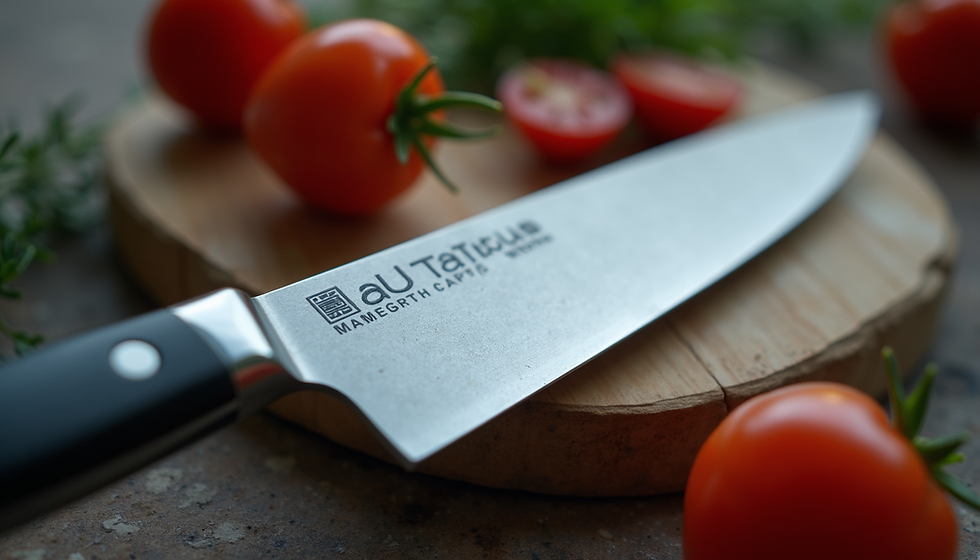
Chef knife craftsmanship is about more than just shaping metal. It is about creating a tool that feels like an extension of your hand. Every curve, every angle, and every material choice affects how the knife performs. The process starts with selecting the right steel. High-carbon stainless steel is often preferred for its balance of sharpness, durability, and corrosion resistance.
Next comes the forging or stamping process. Forging involves heating the steel and hammering it into shape. This method aligns the metal’s grain structure, making the blade stronger and more resilient. Stamping, on the other hand, cuts the blade shape from a steel sheet. While faster and less expensive, stamped blades usually lack the strength and balance of forged knives.
The blade’s geometry is critical. The edge angle, thickness, and taper all influence cutting performance. A typical chef knife edge angle ranges from 15 to 20 degrees per side. Sharper angles offer better precision but require more frequent sharpening. The blade’s taper affects how smoothly it slices through food. A well-crafted taper reduces drag and improves control.

Materials and Handle Design in Chef Knife Craftsmanship
The handle is as important as the blade. It must provide comfort, grip, and balance. Handles come in various materials such as wood, composite, and synthetic polymers. Each has its pros and cons. Wood handles offer a classic look and natural feel but require more care. Synthetic handles are durable and resistant to moisture, making them ideal for busy kitchens.
Ergonomics play a key role in handle design. The shape should fit comfortably in your hand, reducing fatigue during long prep sessions. Many professional knives feature a full tang design, where the blade extends through the handle. This construction adds strength and balance.
The joining method between blade and handle also matters. Rivets, pins, or adhesives secure the handle. High-quality craftsmanship ensures these connections are seamless and durable. A well-made handle enhances control and safety, allowing you to work confidently.
The Role of Heat Treatment in Knife Performance
Heat treatment is a crucial step in professional chef knife manufacturing. It transforms raw steel into a blade with the right hardness and flexibility. The process involves heating the blade to a specific temperature and then cooling it rapidly, usually by quenching in oil or water.
Proper heat treatment balances hardness and toughness. Hardness allows the blade to hold a sharp edge longer. Toughness prevents the blade from chipping or breaking under stress. After quenching, blades often undergo tempering, a controlled reheating that reduces brittleness.
Manufacturers use precise temperature controls and timing to achieve consistent results. This step requires expertise and experience. A poorly heat-treated blade will either be too soft or too brittle, compromising performance and safety.

Sharpening and Finishing: The Final Touches
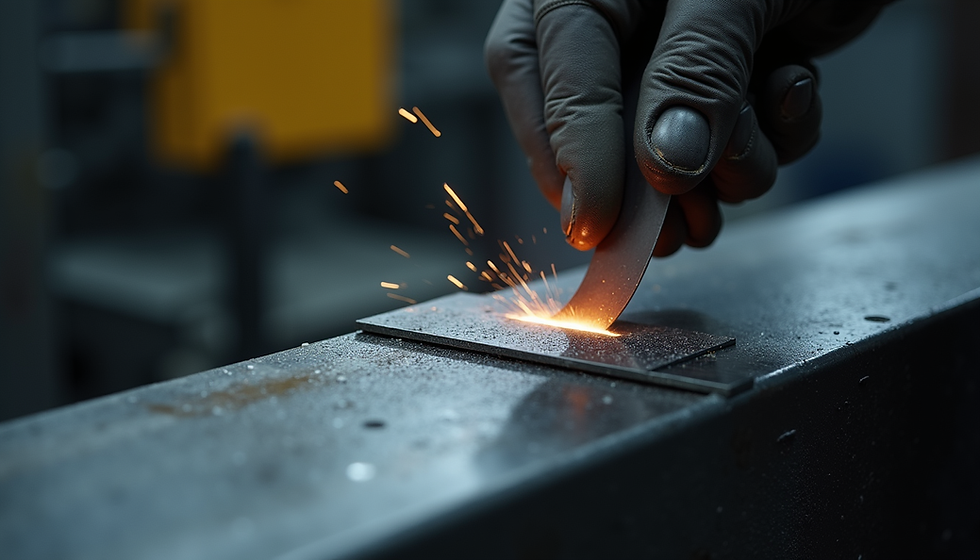
A knife’s sharpness depends on the finishing process. After shaping and heat treatment, the blade is ground and polished. Grinding removes excess material and refines the edge. Polishing smooths the surface, reducing friction during cutting.
Sharpening is done using whetstones, belts, or automated machines. Skilled craftsmen adjust the angle and pressure to create a razor-sharp edge. Some knives receive a micro-bevel, a secondary edge that improves durability without sacrificing sharpness.
Finishing also includes adding protective coatings or treatments. Some blades get anti-corrosion coatings or non-stick finishes. These enhance the knife’s lifespan and ease of maintenance.
Why Choose Expertly Crafted Chef Knives?
Investing in a professionally made chef knife pays off in many ways. You get a tool that performs consistently, feels balanced, and lasts for years. Whether you are a professional chef or a passionate home cook, the right knife improves your efficiency and enjoyment in the kitchen.
When you buy from a trusted source specializing in professional chef knife manufacturing, you benefit from advanced production techniques and rigorous quality control. These manufacturers combine traditional craftsmanship with modern technology to deliver superior products.
Key benefits include:
Precision cutting: Sharp, well-balanced blades make slicing, dicing, and chopping easier.
Durability: High-quality materials and heat treatment ensure long-lasting performance.
Comfort: Ergonomic handles reduce hand fatigue and improve safety.
Customization: Many manufacturers offer OEM and ODM services to tailor knives to specific needs.
Elevate Your Kitchen with Masterful Craftsmanship
Understanding the craft behind professional chef knives helps you appreciate their value. These knives are not just tools; they are the result of meticulous design, expert manufacturing, and passion for culinary excellence. When you choose a knife made with care, you invest in your cooking skills and kitchen experience.
Explore options that combine tradition and innovation. Look for manufacturers who prioritize quality at every step, from steel selection to final sharpening. With the right knife, you will notice the difference in every cut, every meal, and every moment spent cooking.
Mastering the art of chef knife craftsmanship means recognizing the importance of every detail. It means trusting the process and the people who make these essential kitchen tools. Your next chef knife could be the start of a lifelong partnership in the kitchen.

Comments