Unveiling the Craft of Chef Knives Production Process
When you hold a chef knife, you are holding more than just a tool. You are holding the result of a meticulous craft. The art of making chef knives combines tradition, technology, and precision. I want to take you behind the scenes of this fascinating process. You will see how raw materials transform into sharp, balanced, and durable kitchen companions.
Understanding the Chef Knives Production Process
The journey of a chef knife begins with selecting the right steel. High-quality steel is essential for sharpness and durability. Different types of steel offer various benefits. For example, stainless steel resists rust, while carbon steel holds a sharper edge longer. In professional manufacturing, industry-standard materials like X50CrMoV15 (renowned for stain resistance and toughness) or versatile grades like 5Cr15MoV are frequently utilized for reliable everyday performance. The choice depends on the knife’s intended use and the preferences of the end user.
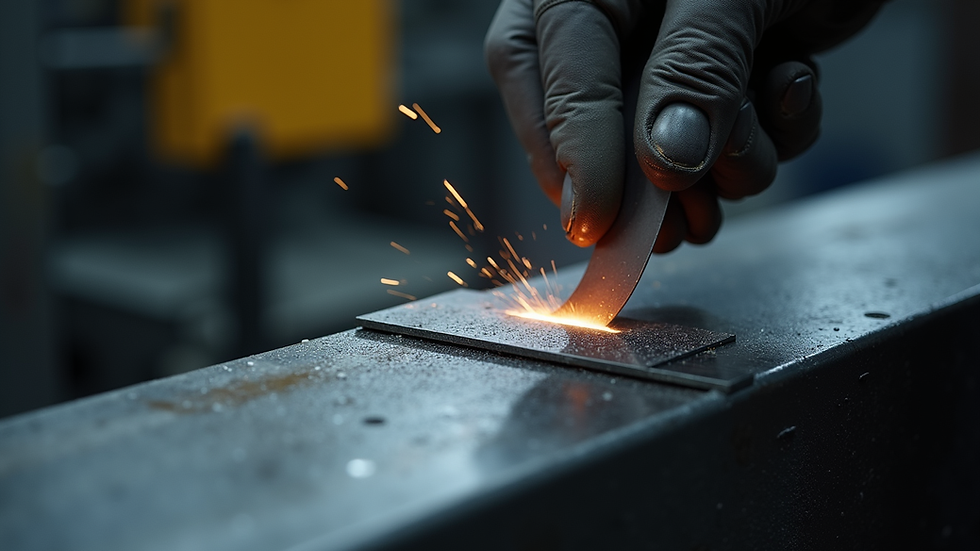
Next comes the shaping of the blade. This step involves cutting the steel into the desired shape. Modern factories use laser cutting or stamping machines for precision. After shaping, the blade undergoes heat treatment. This process hardens the steel, improving its strength and edge retention. The blade is heated to a specific temperature and then cooled rapidly.
Grinding follows heat treatment. Skilled workers or machines grind the blade to create the edge. This step requires accuracy to ensure the blade is sharp and balanced. The angle of the grind affects cutting performance. A smaller angle means a sharper edge but less durability. A larger angle offers more strength but less sharpness.
Finally, the handle is attached. Handles come in various materials such as wood, plastic, or composite. The handle must be comfortable and secure. It balances the knife and provides a good grip. The handle is fixed to the blade’s tang, which is the part of the blade extending into the handle.
Key Stages in Chef Knives Production Process
Each stage in the production process demands attention to detail. Here are the key stages explained:
Material Selection
The steel’s quality defines the knife’s performance. Manufacturers test steel for hardness, flexibility, and corrosion resistance. Only premium steel grades make the cut.
Blade Forging or Stamping
Forging involves heating and hammering the steel to shape it. Stamping cuts the blade from a steel sheet. Forged blades tend to be stronger and more durable, while stamped blades are lighter and more affordable.
Heat Treatment
This step enhances the blade’s hardness. The blade is heated to a precise temperature and quenched in oil or water. Tempering follows to reduce brittleness.
Grinding and Polishing
Grinding shapes the edge and refines the blade’s profile. Polishing removes imperfections and improves aesthetics. This step also prepares the blade for sharpening.
Handle Making and Assembly
Handles are crafted separately. They are shaped, sanded, and finished before assembly. The blade and handle are joined using rivets, adhesives, or mechanical fasteners.
Sharpening and Quality Control
The blade is sharpened to the desired angle. Quality control checks for sharpness, balance, and finish. Each knife must meet strict standards before packaging.
The Role of Innovation in Knife Craftsmanship
Innovation plays a vital role in modern chef knife manufacturing. New materials and technologies improve performance and durability. For example, some manufacturers use powder metallurgy steel (such as premium SG2 or R2 alloys). This steel offers superior hardness, wear resistance, and exceptional edge retention.
Ergonomic handle designs enhance comfort and reduce fatigue. Computer-aided design (CAD) helps create handles that fit the hand perfectly. Laser cutting and robotic grinding ensure consistent quality and precision.
Sustainability is also gaining importance. Some factories recycle steel scraps and use eco-friendly packaging. These efforts reduce environmental impact without compromising quality.

Why Choose a Professionally Manufactured Chef Knife?
A professionally made chef knife offers several advantages. First, it guarantees consistent quality. Each knife undergoes rigorous testing to meet performance standards. This reliability is crucial for culinary professionals and commercial kitchens who depend on their tools daily.
Second, professional manufacturing ensures durability. High-grade materials and precise processes extend the knife’s lifespan, ensuring end users avoid frequent replacements and enjoy lasting value.
Third, professional knives provide superior cutting performance. Sharpness, balance, and handle comfort combine to elevate the cooking experience, allowing for smooth and confident slicing, dicing, and chopping.
If you want to scale your product line or develop custom solutions, partnering with a professional chef knife manufacturing partner is the ideal step forward. They offer comprehensive OEM and ODM services tailored to your exact brand specifications and market needs.
Craftsmanship Meets High-Volume Production
Balancing craftsmanship with high-volume production is a challenge. It requires skilled workers, advanced machinery, and strict quality control. The best manufacturers combine hand-finishing techniques with automated processes.
For example, while machines handle cutting and grinding, artisans perform final sharpening and handle fitting. This blend ensures each knife has a personal touch and meets industrial standards.
High-volume production also demands efficient supply chain management. Raw materials must arrive on time. Production schedules must be optimized. Packaging and shipping need coordination. This complexity is managed by experienced teams dedicated to delivering excellence.
Final Thoughts on Chef Knives Production Process
Understanding the chef knives production process reveals the dedication behind every blade. From steel selection to final sharpening, each step shapes the knife’s quality and performance. Whether you are a brand owner, a retail distributor, or a culinary enterprise looking to expand your kitchenware line, knowing this process highlights the true value of exceptional manufacturing.
Investing in a professionally manufactured chef knife series means investing in precision, durability, and customer satisfaction. The craft of knife making is alive and evolving, blending time-honored traditions with cutting-edge innovation to meet the highest global standards.
Ready to bring your next kitchenware collection to life? Visit CHEF KNIFE WANG or Contact our manufacturing teamtoday to discuss your OEM/ODM requirements." — Article by the manufacturing experts at CHEF KNIFE WANG.


Comments