Crafting the Perfect Chef's Knife: A Guide to Quality Chef Knife Design
When you think about the heart of any kitchen, the chef's knife stands out. It is more than just a tool. It is an extension of your hand, your skill, and your passion. Crafting the perfect chef's knife requires attention to detail, quality materials, and expert design. In this guide, I will walk you through the essential elements of quality chef knife design and what makes a knife truly exceptional.
Understanding Quality Chef Knife Design
Quality chef knife design is about balance, durability, and comfort. A well-designed knife feels natural in your hand. It cuts smoothly and precisely. The blade must be sharp and retain its edge through countless uses. The handle should provide a secure grip without causing fatigue.
Here are the key factors to consider:
Blade Material: High-carbon stainless steel is preferred for its sharpness and corrosion resistance.
Blade Shape: A curved edge allows for rocking cuts, while a straighter edge suits chopping.
Handle Design: Ergonomic handles reduce strain and improve control.
Weight and Balance: The knife should feel balanced between blade and handle for ease of use.
Each of these elements contributes to the overall performance. When combined, they create a tool that chefs rely on daily.
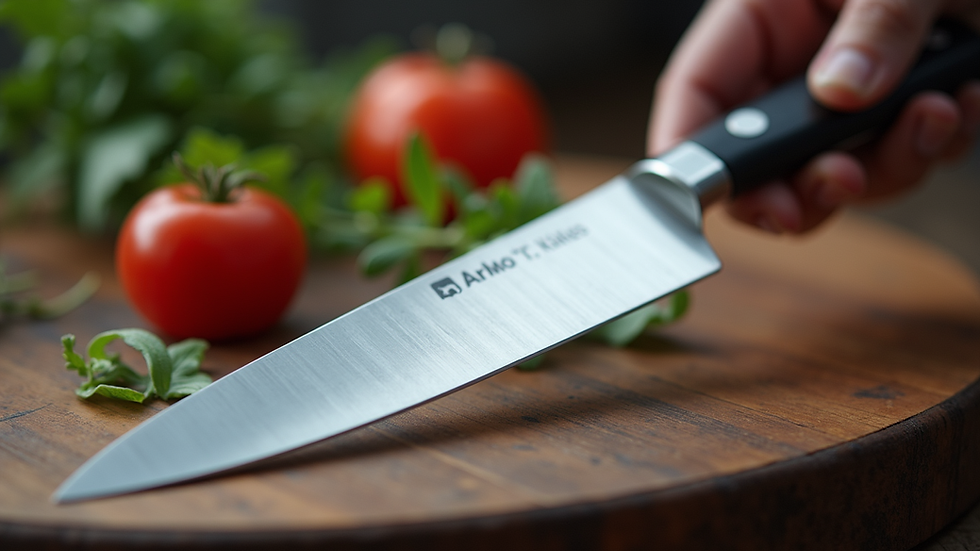
Close-up of a chef's knife showing blade sharpness and handle design
Materials and Craftsmanship: The Backbone of a Great Knife
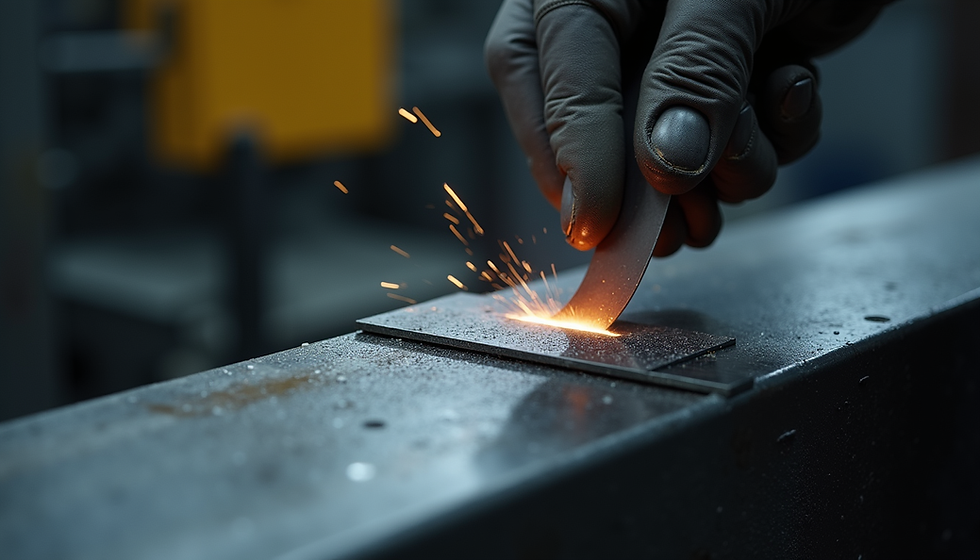
The choice of materials and the craftsmanship behind the knife are crucial. The blade must be forged or stamped from premium steel. Forging involves heating and hammering the steel, which aligns the grain and strengthens the blade. Stamping cuts the blade from a sheet of steel and is less labor-intensive but can still produce excellent knives.
Handles come in various materials such as wood, composite, or synthetic polymers. Each has its pros and cons:
Wood: Offers a traditional look and comfortable grip but requires maintenance.
Composite: Durable and resistant to moisture.
Synthetic: Lightweight and easy to clean.
The joining method between blade and handle also matters. Full tang knives, where the blade extends through the handle, provide better balance and durability.
In professional chef knife manufacturing, precision and consistency are paramount. Every step, from blade forging to handle fitting, must meet strict quality standards. This ensures the knife performs well and lasts long.
What Knife Do Most Professional Chefs Use?
Professional chefs often choose knives that combine versatility and reliability. The classic 8-inch chef's knife is the most popular choice. It handles a wide range of tasks, from slicing vegetables to cutting meat.
Many chefs prefer knives with:
High-carbon stainless steel blades for sharpness and rust resistance.
Full tang construction for balance and strength.
Ergonomic handles that fit comfortably in the hand.
Some chefs also use specialty knives like paring knives, boning knives, or santoku knives depending on their cooking style. However, the chef's knife remains the cornerstone of their toolkit.
Choosing the right knife depends on your cooking habits and preferences. Testing different knives can help you find the one that feels like an extension of your hand.

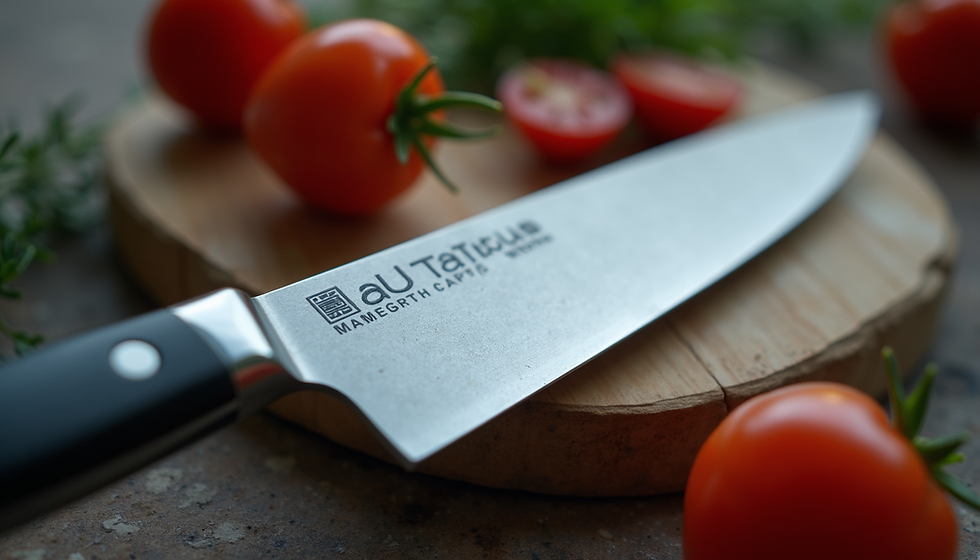
Professional chef's knife ready for use on a wooden surface
How to Maintain Your Chef's Knife for Longevity
A perfect chef's knife requires proper care. Maintenance keeps the blade sharp and the handle intact. Here are some practical tips:
Regular Sharpening: Use a whetstone or professional sharpening service to maintain the edge.
Proper Cleaning: Hand wash with mild soap and dry immediately. Avoid dishwashers.
Safe Storage: Use a knife block, magnetic strip, or blade guard to protect the edge.
Avoid Hard Surfaces: Cut on wood or plastic boards, not glass or stone.
Following these steps extends the life of your knife and keeps it performing at its best.
The Role of Innovation in Chef Knife Manufacturing
Innovation drives the evolution of chef knives. New materials, ergonomic designs, and manufacturing techniques improve performance and user experience. For example, some knives now feature:
Damascus steel blades with layered patterns for strength and beauty.
Non-slip handles made from advanced polymers.
Precision balancing through computer-aided design.
Partnering with experts in professional chef knife manufacturing ensures access to cutting-edge technology and craftsmanship. This collaboration results in knives that meet the highest standards demanded by chefs and kitchen professionals worldwide.
Elevate Your Kitchen with the Right Chef's Knife
Choosing and crafting the perfect chef's knife is an investment in your culinary journey. A quality knife enhances your efficiency, safety, and enjoyment in the kitchen. Whether you are a professional chef or a passionate home cook, understanding the design, materials, and care of your knife makes all the difference.
Remember, the perfect chef's knife is not just about sharpness. It is about balance, comfort, and durability. It is a tool that supports your creativity and skill every day.
Take the time to select a knife that fits your needs. Maintain it well. And watch how it transforms your cooking experience.
By focusing on quality chef knife design and partnering with trusted manufacturers, you can ensure your kitchen is equipped with the best tools available. This guide aims to help you make informed decisions and appreciate the craftsmanship behind every great chef's knife.

Comments