Discover the Art of Crafting Premium Chef Knife Production
When you hold a professional chef knife, you are holding more than just a tool. You are holding the result of centuries of craftsmanship, innovation, and precision. The art of crafting premium chef knives is a blend of tradition and technology. It demands skill, patience, and a deep understanding of materials and design. Today, I will take you through this fascinating journey. You will learn how these knives are made, what makes them exceptional, and how to choose the right one for your kitchen.
The Essentials of Premium Chef Knife Production
Premium chef knife production is a meticulous process. It starts with selecting the right steel. High-carbon stainless steel is often preferred for its balance of sharpness, durability, and corrosion resistance. The steel must be carefully forged or stamped into shape. Forging involves heating the metal and hammering it into form, which aligns the grain structure and strengthens the blade. Stamping cuts the blade from a sheet of steel and is faster but less robust.
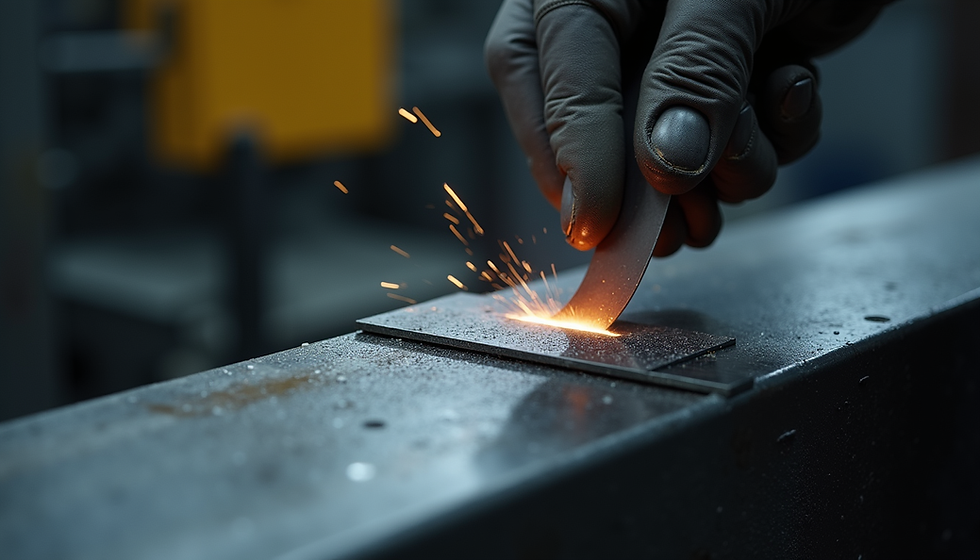
Next comes heat treatment. This step hardens the blade and improves its edge retention. The blade is heated to a specific temperature and then cooled rapidly. This process requires precise control to avoid brittleness or softness. After heat treatment, the blade is ground and sharpened. Skilled artisans use various grinding techniques to create the perfect edge angle, usually between 15 and 20 degrees per side.
The handle is equally important. It must provide comfort, balance, and control. Handles are made from wood, composite materials, or high-grade plastics. Ergonomic design ensures the knife fits naturally in your hand, reducing fatigue during long hours of use.
Finally, the knife undergoes polishing and quality inspection. Every detail is checked to meet the highest standards. This attention to detail is what sets premium chef knives apart from ordinary ones.

Why Choose Premium Chef Knife Production?
Choosing a premium chef knife means investing in performance and longevity. These knives offer superior sharpness, which makes cutting effortless and precise. You can slice through vegetables, meat, and fish with minimal pressure. This reduces the risk of accidents and improves your cooking efficiency.
Durability is another key benefit. Premium knives maintain their edge longer and resist chipping or rusting. This means fewer sharpenings and less maintenance. The ergonomic handles also enhance comfort, allowing you to work longer without strain.
For professionals and serious home cooks, these knives are indispensable. They provide the reliability and consistency needed in demanding kitchen environments. Moreover, premium chef knives often come with warranties and customer support, ensuring peace of mind.
If you want to experience the best, look for knives made through professional chef knife manufacturing. These manufacturers combine advanced technology with traditional craftsmanship to deliver exceptional products.
What knife do most professional chefs use?
Most professional chefs prefer a chef’s knife between 8 and 10 inches in length. The 8-inch chef’s knife is the most popular choice due to its versatility. It is large enough to handle most tasks but still manageable for detailed work.
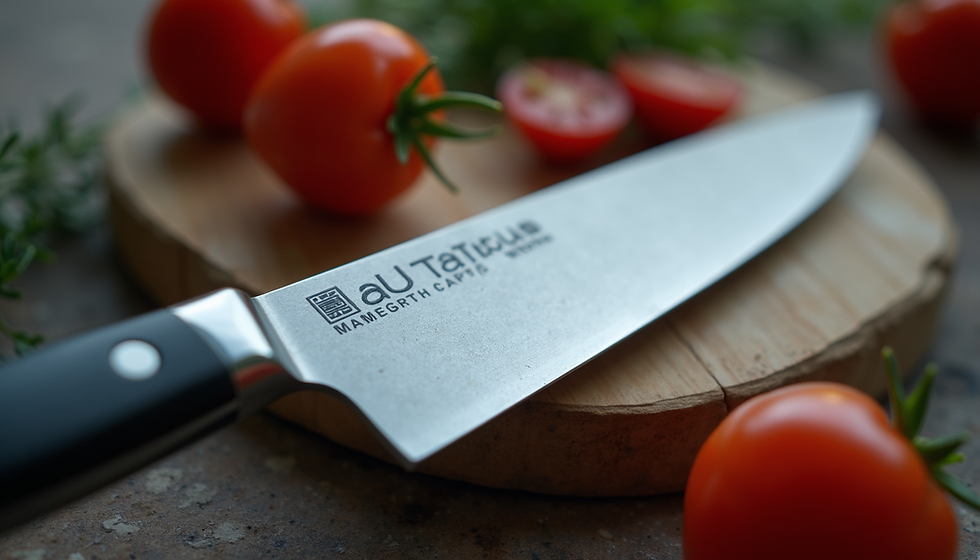
The blade shape is typically a curved edge, allowing a rocking motion for chopping herbs and vegetables. The tip is sharp for piercing and delicate cuts. The spine is thick enough to provide strength but not too heavy to tire the hand.
Materials matter too. High-carbon stainless steel is favored for its sharpness and corrosion resistance. Some chefs prefer Japanese knives made from harder steel for their precision, while others choose German knives for their toughness.
Handle design varies, but most chefs look for a comfortable grip that offers control. Full tang construction, where the blade extends through the handle, is common for balance and durability.
Ultimately, the best knife depends on your cooking style and preferences. Trying different knives and feeling their balance and weight is the best way to find your ideal tool.

The Role of Innovation in Knife Crafting
Innovation plays a crucial role in modern premium chef knife production. Manufacturers invest in research to improve materials, design, and manufacturing techniques. For example, powder metallurgy steel offers superior hardness and edge retention compared to traditional steel.
Advanced heat treatment methods, such as cryogenic tempering, enhance blade toughness and reduce internal stresses. Laser cutting and CNC grinding ensure precision and consistency in blade shape and sharpness.
Handle materials have also evolved. Composite materials like Micarta and G10 provide durability, water resistance, and a secure grip. Some knives feature antimicrobial coatings to maintain hygiene.
Ergonomics is another focus area. Designers use 3D modeling and user feedback to create handles that reduce hand fatigue and improve control. Balanced knives reduce wrist strain, which is essential for professional chefs who use their knives for hours daily.
These innovations do not replace craftsmanship but complement it. The best knives combine cutting-edge technology with skilled hand finishing to achieve unmatched quality.
Caring for Your Premium Chef Knife
Owning a premium chef knife means committing to proper care. This will extend the life of your knife and keep it performing at its best.
Hand wash only: Avoid dishwashers. Use warm water, mild soap, and a soft sponge. Dry immediately to prevent rust.
Use a cutting board: Wood or plastic boards protect the blade. Avoid glass, stone, or metal surfaces.
Regular sharpening: Use a whetstone or professional sharpening service. Honing rods help maintain the edge between sharpenings.
Proper storage: Store knives in a block, magnetic strip, or protective sheath to avoid damage.
Avoid misuse: Do not use your chef knife to cut bones, frozen foods, or as a screwdriver.
By following these simple steps, your knife will remain sharp, safe, and beautiful for years.
Elevate Your Kitchen with Expertly Crafted Knives
Crafting premium chef knives is an art and a science. It requires dedication to quality, precision, and innovation. When you choose a knife made through expert professional chef knife manufacturing, you invest in a tool that enhances your cooking experience.
Whether you are a professional chef or a passionate home cook, the right knife makes all the difference. It improves your efficiency, safety, and enjoyment in the kitchen. Take the time to understand the craftsmanship behind these knives. Choose wisely, care properly, and your knife will serve you well for a lifetime.
Explore the world of premium chef knife production and discover the perfect blade for your culinary journey.

Comments