Discovering the Secrets of Chef Knife Craftsmanship
When you hold a chef knife, you are holding more than just a tool. You are holding centuries of tradition, skill, and innovation. The art of chef knife craftsmanship is a blend of science and passion. It shapes the way chefs work and how food is prepared worldwide. Today, I want to take you on a journey through the secrets behind these essential kitchen instruments. You will learn what makes a chef knife exceptional and how expert craftsmanship transforms raw materials into culinary masterpieces.
The Art and Science Behind Chef Knife Craftsmanship
Chef knife craftsmanship is a precise and deliberate process. It starts with selecting the right materials. High-quality steel is the foundation. The steel must be durable, corrosion-resistant, and capable of holding a sharp edge. Different types of steel offer various benefits. For example, stainless steel resists rust and requires less maintenance. Carbon steel, on the other hand, sharpens easily and holds an edge longer but needs more care.
Next comes the forging or stamping process. Forging involves heating the steel and hammering it into shape. This method aligns the steel’s grain structure, making the blade stronger and more resilient. Stamping cuts the blade shape from a steel sheet. While faster and cheaper, stamped blades often lack the durability and balance of forged knives.
After shaping, the blade undergoes heat treatment. This step hardens the steel, improving edge retention and toughness. The blade is heated to a specific temperature and then cooled rapidly. The exact temperature and cooling method vary depending on the steel type and desired blade characteristics.
The final step is grinding and sharpening. Skilled artisans grind the blade to create the perfect edge angle. This angle affects how the knife cuts and how long the edge stays sharp. Most chef knives have an edge angle between 15 and 20 degrees per side. Sharpening is done with precision tools to ensure a razor-sharp finish.
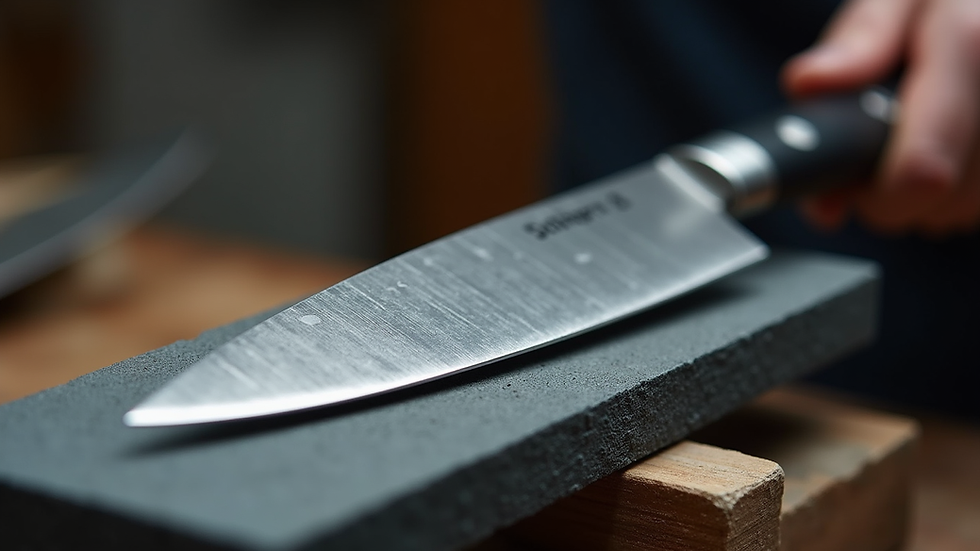
The handle is just as important as the blade. It must provide comfort, balance, and control. Handles come in various materials such as wood, plastic, or composite. Ergonomic design reduces hand fatigue during long hours of use. The handle is securely attached to the blade tang, which extends into the handle for strength.
Exploring the Key Elements of Chef Knife Craftsmanship
Understanding the key elements of chef knife craftsmanship helps you appreciate the skill involved. Here are the main components that define a high-quality chef knife:
Blade Material: The choice of steel affects sharpness, durability, and maintenance. High-carbon stainless steel is popular for combining the best of both worlds.
Blade Construction: Forged blades offer superior strength and balance. Stamped blades are lighter and more affordable but may lack longevity.
Edge Geometry: The blade’s edge angle and grind type influence cutting performance. A thinner edge slices better but may dull faster.
Handle Design: Comfort and grip are critical. Handles must fit the user’s hand and provide secure control.
Balance and Weight: A well-balanced knife feels natural and reduces strain. Weight distribution between blade and handle is key.
Finish and Detailing: Polished surfaces reduce food sticking. Decorative elements like Damascus patterns add beauty without sacrificing function.
Each of these elements requires expert knowledge and precision. The best knives result from combining these factors into a harmonious whole.
What knife do most professional chefs use?
Most professional chefs prefer knives that offer reliability, sharpness, and comfort. The classic chef’s knife or gyuto (Japanese chef knife) is the most common choice. These knives typically range from 8 to 10 inches in length. They are versatile enough to handle chopping, slicing, dicing, and mincing.
Professional chefs often select knives made from high-quality steel with a forged construction. This ensures durability and excellent edge retention. The handle design is also crucial. Many chefs favor knives with ergonomic handles that provide a secure grip even when wet.
In addition to the chef’s knife, professionals use specialized knives like paring knives, boning knives, and serrated knives. However, the chef’s knife remains the workhorse in any kitchen.
Choosing the right knife depends on personal preference and cooking style. Trying different knives and paying attention to balance, weight, and feel will help you find your ideal tool.

The Role of Innovation in Modern Chef Knife Craftsmanship
While tradition plays a big role, innovation drives modern chef knife craftsmanship. Advances in metallurgy have introduced new steel alloys that offer better performance. For example, powder metallurgy steel provides exceptional hardness and corrosion resistance.
Manufacturers also experiment with handle materials. Modern composites and resin-infused woods improve durability and hygiene. Some knives feature antimicrobial coatings to reduce bacteria buildup.
Ergonomics is another area of innovation. Designers use 3D modeling and user feedback to create handles that fit a wide range of hand sizes and grips. This reduces fatigue and improves precision.
Cutting-edge manufacturing techniques like CNC machining and laser cutting ensure consistent quality. These technologies allow for tight tolerances and repeatable results in high-volume production.
Despite these advances, the human touch remains essential. Skilled artisans inspect and finish each knife by hand. This blend of technology and craftsmanship produces knives that meet the highest standards.
How to Care for Your Chef Knife to Maintain Its Craftsmanship
Owning a finely crafted chef knife means taking good care of it. Proper maintenance preserves the blade’s sharpness and extends its lifespan. Here are some practical tips:
Hand Wash Only: Avoid dishwashers. Use warm water, mild soap, and a soft sponge. Dry immediately to prevent rust.
Regular Sharpening: Use a whetstone or professional sharpening service. Honing rods help maintain the edge between sharpenings.
Proper Storage: Store knives in a block, magnetic strip, or protective sheath. Avoid loose drawers where blades can get damaged.
Cutting Surfaces: Use wooden or plastic cutting boards. Hard surfaces like glass or stone dull blades quickly.
Avoid Hard Materials: Do not use your chef knife to cut bones or frozen foods. Use specialized knives for these tasks.
By following these steps, you protect your investment and keep your knife performing at its best.
Partnering with Experts in Professional Chef Knife Manufacturing
Behind every exceptional chef knife is a team of experts dedicated to quality and innovation. Companies specializing in professional chef knife manufacturing combine traditional skills with modern technology. They work closely with global kitchenware brands, retailers, and food service providers to deliver products that meet exacting standards.
These manufacturers offer comprehensive solutions including OEM, ODM, and OBM services. From custom blade forging to ergonomic handle design, they handle every detail. Their state-of-the-art facilities support high-volume production without compromising craftsmanship.
Choosing a trusted manufacturing partner ensures your knives stand out in the competitive market. It also helps streamline supply chains and improve product value.
Unlocking the Full Potential of Your Chef Knife
A well-crafted chef knife is more than a tool - it is an extension of your culinary skills. Understanding the secrets of chef knife craftsmanship empowers you to select, use, and care for your knife like a pro.
Remember these key points:
Quality materials and construction matter.
Balance and ergonomics affect comfort and control.
Regular maintenance keeps your knife sharp and safe.
Innovation enhances performance without losing tradition.
Investing in a top-tier chef knife pays off in precision, efficiency, and enjoyment in the kitchen. Whether you are a professional chef or a passionate home cook, mastering the art of chef knife craftsmanship will elevate your cooking experience.
Embrace the legacy and innovation behind every blade. Your next great meal starts with the perfect knife in your hand.

Comments