Explore the Essentials of Professional Chef Knife Manufacturing: Top Chef Knife Specifications
When you think about a professional kitchen, the chef’s knife is the heart of the operation. It is the tool that delivers precision, speed, and safety. But have you ever wondered what goes into making a top-quality chef knife? The process is complex, combining art, science, and engineering. Today, I will take you through the essentials of professional chef knife manufacturing. You will learn about the key specifications that define a top chef knife and what makes these knives stand out in demanding culinary environments.
Understanding Top Chef Knife Specifications
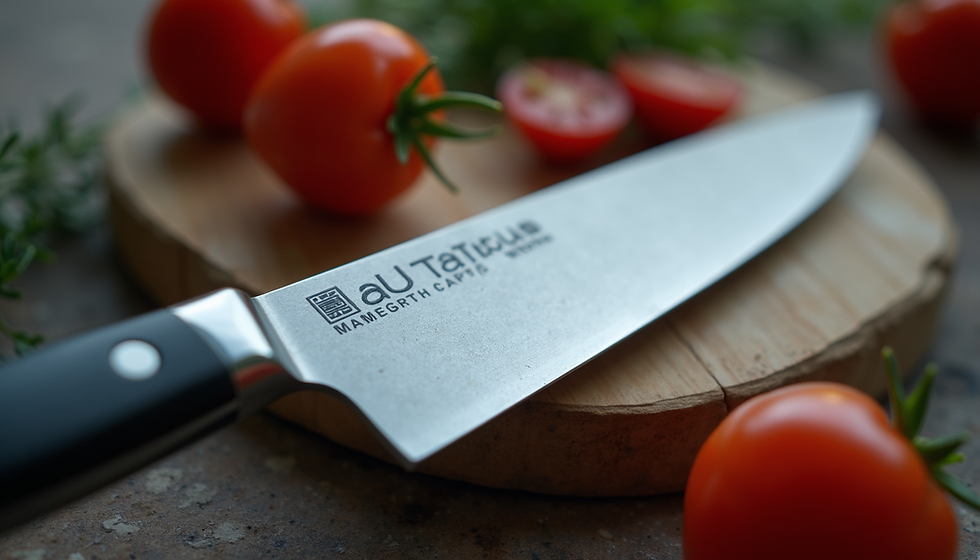
A professional chef knife is not just a piece of metal with a handle. It is a carefully engineered tool designed to perform flawlessly under pressure. Here are the top chef knife specifications you should know:
Blade Material: High-carbon stainless steel is the preferred choice. It offers excellent sharpness, edge retention, and corrosion resistance. Some knives use specialized alloys for added durability.
Blade Length: Most chef knives range from 6 to 12 inches. The 8-inch blade is the most popular because it balances control and versatility.
Blade Shape: The classic curved edge allows for a rocking motion, which is essential for chopping and mincing.
Blade Thickness: Thinner blades (around 2-3 mm) provide precision and ease of cutting, but they must be strong enough to avoid bending.
Handle Design: Ergonomics matter. Handles are made from wood, composite, or synthetic materials. They must offer a secure grip, comfort, and balance.
Tang: A full tang (the blade extends through the handle) ensures strength and stability.
Weight and Balance: The knife should feel balanced in your hand. Weight distribution affects control and fatigue during long use.
These specifications are the foundation of every professional chef knife. Manufacturers pay close attention to each detail to meet the high standards expected by chefs worldwide.

The Manufacturing Process of Professional Chef Knives
Manufacturing a professional chef knife involves multiple stages. Each step requires precision and quality control to ensure the final product performs at its best.
Material Selection
The process starts with selecting premium steel. The steel must have the right balance of hardness and flexibility. Too hard, and the blade becomes brittle. Too soft, and it loses its edge quickly.
Forging or Stamping
There are two main methods: forging and stamping. Forging involves heating the steel and hammering it into shape. This method produces a denser, stronger blade. Stamping cuts the blade shape from a steel sheet and is faster and more cost-effective.
Heat Treatment
Heat treatment is critical. It hardens the blade and improves durability. The blade is heated to a specific temperature and then cooled rapidly. This process is carefully controlled to avoid warping.
Grinding and Sharpening
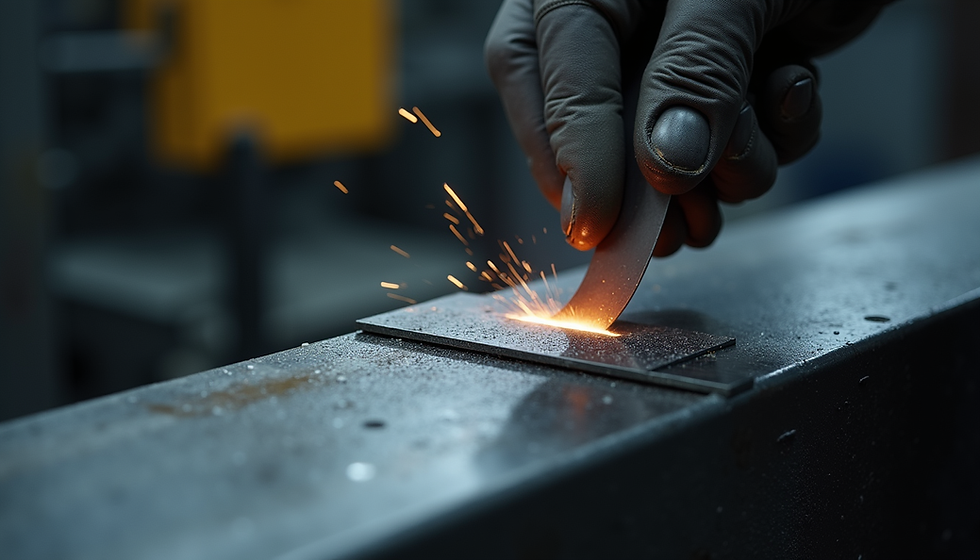
After heat treatment, the blade is ground to form the edge. This step defines the blade’s sharpness and angle. Professional knives often have a 15 to 20-degree edge angle per side.
Handle Attachment
The handle is attached securely, often with rivets or adhesives. The fit must be seamless to prevent moisture from entering and causing damage.
Polishing and Finishing
The blade and handle are polished for aesthetics and comfort. Some knives receive additional coatings to enhance corrosion resistance.
Quality Inspection
Every knife undergoes rigorous testing. This includes checking sharpness, balance, handle comfort, and overall craftsmanship.
This detailed process ensures that each knife meets the demanding needs of professional kitchens.
What Knife Do Most Professional Chefs Use?
If you ask most professional chefs, they will tell you that the 8-inch chef knife is their go-to tool. It is versatile enough for slicing, dicing, chopping, and mincing. The blade length offers excellent control without being cumbersome.
Chefs prefer knives with a high-carbon stainless steel blade because it stays sharp longer and resists rust. The handle must feel comfortable for extended use, often favoring ergonomic designs that reduce hand fatigue.
Some chefs also use specialized knives for specific tasks, such as paring knives for delicate work or serrated knives for bread. However, the chef knife remains the cornerstone of their toolkit.
Choosing the right knife depends on personal preference, but the specifications I mentioned earlier are common among professional-grade knives.

Why Precision Matters in Professional Chef Knife Manufacturing
Precision is the backbone of professional chef knife manufacturing. Every millimeter counts. A slight deviation in blade angle or handle balance can affect performance and safety.
Cutting Efficiency: A precisely ground blade cuts through food with less effort. This reduces strain on the chef and speeds up prep time.
Durability: Precision in heat treatment and material selection ensures the blade maintains its edge and resists chipping.
Safety: A well-balanced knife reduces the risk of slips and accidents. The handle design must prevent hand fatigue and provide a secure grip.
Consistency: For manufacturers supplying global brands and retailers, consistency is key. Each knife must meet the same high standards batch after batch.
Investing in precision manufacturing techniques like CNC grinding, laser cutting, and robotic assembly helps maintain these standards. It also allows for customization to meet specific client needs.
How to Choose a Professional Chef Knife for Your Kitchen
Selecting a professional chef knife can be overwhelming. Here are some practical tips to help you make the right choice:
Consider Your Cooking Style
If you do a lot of chopping and dicing, a curved blade with a rocking edge is ideal. For slicing, a straighter edge might work better.
Test the Weight and Balance
Hold the knife in your hand. It should feel balanced and comfortable. Avoid knives that feel too heavy or too light.
Look for Quality Materials
Choose knives made from high-carbon stainless steel. Check the handle material for durability and grip.
Check the Tang
A full tang provides better strength and balance.
Maintenance
Consider how easy the knife is to sharpen and maintain. Some steels require more frequent sharpening.
Budget
Professional knives are an investment. Look for a balance between quality and price.
By understanding these factors, you can select a knife that will serve you well for years.
The Role of Innovation in Chef Knife Manufacturing
Innovation drives the evolution of chef knives. Manufacturers continuously explore new materials, designs, and production methods to improve performance.
Advanced Steel Alloys: New steel blends offer better edge retention and corrosion resistance.
Ergonomic Handles: Designers use 3D modeling and user feedback to create handles that reduce fatigue.
Coatings and Finishes: Non-stick coatings and anti-rust finishes enhance usability.
Sustainable Practices: Some manufacturers focus on eco-friendly materials and processes.
These innovations help meet the changing demands of chefs and home cooks alike. They also support the global kitchenware industry by providing cutting-edge products.
If you want to learn more about the detailed process and innovations, exploring professional chef knife manufacturing resources can provide deeper insights.
Elevate Your Culinary Experience with the Right Knife
Choosing and understanding the essentials of professional chef knife manufacturing empowers you to make informed decisions. Whether you are a retailer, a culinary professional, or a passionate home cook, knowing what goes into a top chef knife helps you appreciate its value.
Remember, a great knife is an investment in your kitchen’s efficiency and your cooking enjoyment. Focus on the key specifications, trust the manufacturing process, and select a knife that fits your style and needs.
With the right knife in hand, every cut becomes effortless, every dish more precise, and every meal a masterpiece.

Comments