Mastering the Craft of Professional Chef Knife Manufacturing: The Art of Chef Knife Craftsmanship
In the world of culinary excellence, the tools you use matter. A professional chef knife is more than just a blade - it is an extension of your skill, precision, and passion. Mastering the craft of chef knife craftsmanship means understanding every detail that goes into creating a knife that performs flawlessly in demanding kitchens. From the choice of steel to the handle design, every step shapes the final product.
I want to take you through the essential elements of professional chef knife manufacturing. Whether you are a kitchenware brand, retailer, or a chef seeking the perfect blade, this guide will give you practical insights into what makes a chef knife truly exceptional.
The Foundations of Chef Knife Craftsmanship
Crafting a professional chef knife starts with selecting the right materials. The blade steel must balance hardness, toughness, and corrosion resistance. High-carbon stainless steel is a popular choice because it holds a sharp edge and resists rust. Some manufacturers also use powdered steel for superior grain structure and durability.
Next comes the forging or stamping process. Forging involves heating the steel and hammering it into shape, which aligns the metal’s grain and strengthens the blade. Stamping cuts the blade from a steel sheet and is faster but may lack the same durability. Both methods have their place depending on the knife’s intended use and price point.
The blade’s geometry is critical. A thinner blade with a sharper edge angle offers precision and ease of cutting but may be less durable. A thicker blade is tougher but requires more effort to slice through ingredients. Balancing these factors is key to creating a versatile chef knife.

The handle design also plays a vital role. Ergonomics, material, and balance affect comfort and control. Common handle materials include wood, composite, and synthetic polymers. Each offers different grip textures and maintenance needs. The handle must fit securely to the blade tang to ensure safety and longevity.
Exploring the Details of Chef Knife Craftsmanship
Every detail in the manufacturing process influences the knife’s performance. Heat treatment is one of the most important steps. After shaping, the blade undergoes precise heating and cooling cycles to harden the steel. This process determines the blade’s hardness rating, often measured on the Rockwell scale. A typical professional chef knife ranges between 58 and 62 HRC, offering a good balance of sharpness and durability.
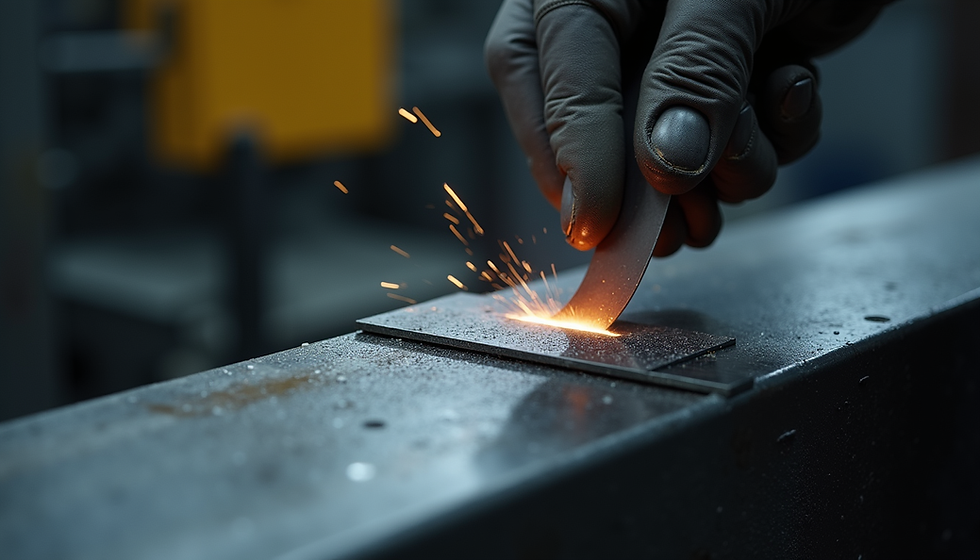
Sharpening is another critical phase. The blade edge is ground to a specific angle, usually between 15 and 20 degrees per side. This angle affects how sharp the knife is and how long it stays sharp. Skilled craftsmen use specialized machines or hand sharpening techniques to achieve a razor-sharp edge.
Quality control cannot be overlooked. Each knife must pass rigorous inspections for blade straightness, edge sharpness, handle fit, and finish. Any imperfection can affect performance or safety. Consistency is vital, especially for high-volume manufacturing.
Finally, finishing touches like polishing the blade and applying protective coatings enhance both aesthetics and corrosion resistance. Some knives feature decorative elements such as Damascus patterns or engraved logos, adding uniqueness without compromising function.
What Knife Do Most Professional Chefs Use?
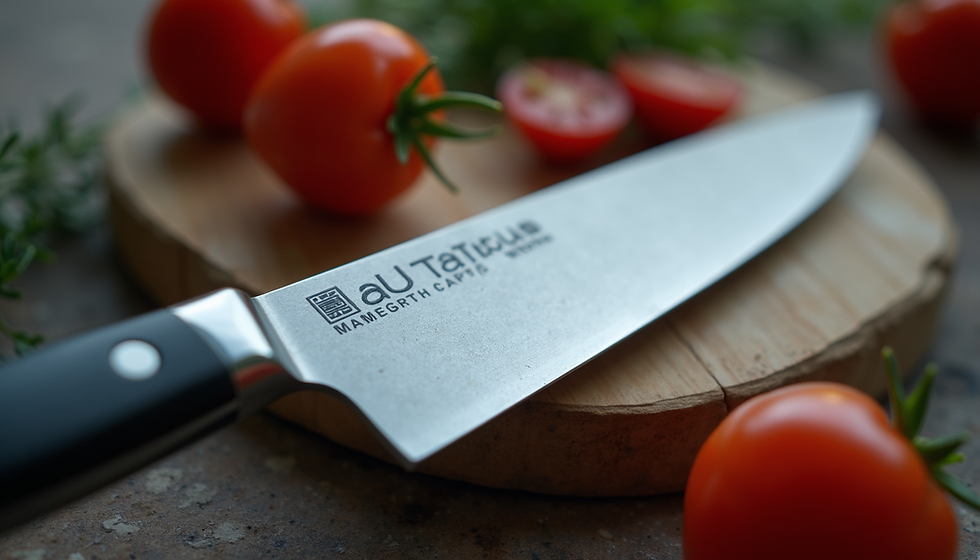
When it comes to the question of what knife most professional chefs use, the answer often points to a classic chef’s knife between 8 and 10 inches in length. This size offers versatility for chopping, slicing, dicing, and mincing. The blade shape is typically a curved edge that allows a rocking motion, making food preparation efficient.
Materials and construction vary, but many chefs prefer forged knives for their balance and durability. High-carbon stainless steel blades are favored for their sharpness and ease of maintenance. Handles are chosen based on personal comfort, with some chefs opting for traditional wooden handles and others for modern synthetic grips.
The key is that the knife feels like an extension of the hand. Weight, balance, and grip all contribute to reducing fatigue during long hours in the kitchen. Chefs often invest in a trusted brand or custom-made knife that suits their style and needs.
The Role of Innovation in Professional Chef Knife Manufacturing
Innovation drives the evolution of chef knife craftsmanship. Advances in metallurgy have introduced new steel alloys that improve edge retention and corrosion resistance. For example, powder metallurgy steels offer finer grain structures, resulting in sharper and more durable blades.
Manufacturing technology has also progressed. Computer numerical control (CNC) machines allow precise shaping and grinding, ensuring consistent quality across large production runs. Laser engraving and coating technologies add both functional and aesthetic enhancements.
Ergonomic research influences handle design. Modern handles are shaped to reduce strain and improve grip security, even when wet. Some manufacturers incorporate antimicrobial materials or textured surfaces for added hygiene and safety.
Sustainability is becoming a focus as well. Using eco-friendly materials and reducing waste in production aligns with global environmental goals. This approach appeals to conscientious consumers and businesses alike.

How to Choose the Right Partner for Your Chef Knife Manufacturing Needs
Selecting the right manufacturing partner is crucial for success. You want a company that combines craftsmanship with high-volume capabilities. Look for expertise in custom blade forging, handle design, and finishing processes. A partner should offer flexible OEM, ODM, and OBM solutions to meet your brand’s unique requirements.
Transparency and quality control systems are essential. Ask about their inspection protocols and certifications. Reliable communication and on-time delivery are also key factors.
Consider their innovation capacity. A manufacturer that invests in R&D can help you stay ahead with new materials and designs. Sustainability practices may also be important depending on your market positioning.
By choosing a trusted partner, you ensure your products meet the highest standards and satisfy the demands of professional chefs and discerning home cooks worldwide.
For those interested in elevating their product line, exploring professional chef knife manufacturing options with a reputable supplier can be a game-changer.
Elevate Your Culinary Tools with Expert Craftsmanship
Mastering the craft of professional chef knife manufacturing is about precision, quality, and innovation. Every step, from steel selection to final polishing, shapes a tool that chefs rely on daily. Whether you are developing a new product line or seeking the perfect knife for your kitchen, understanding these fundamentals empowers you to make informed decisions.
Invest in craftsmanship that respects tradition but embraces modern technology. Focus on materials, ergonomics, and quality control to deliver knives that perform consistently and last long. Remember, a great chef knife is not just a tool - it is a partner in culinary creativity.
By partnering with experienced manufacturers and staying informed about industry advancements, you can bring exceptional chef knives to the global market. This commitment to excellence will satisfy even the most demanding users and elevate your brand’s reputation.
Master the art of chef knife craftsmanship. Your kitchen deserves nothing less.

Comments